
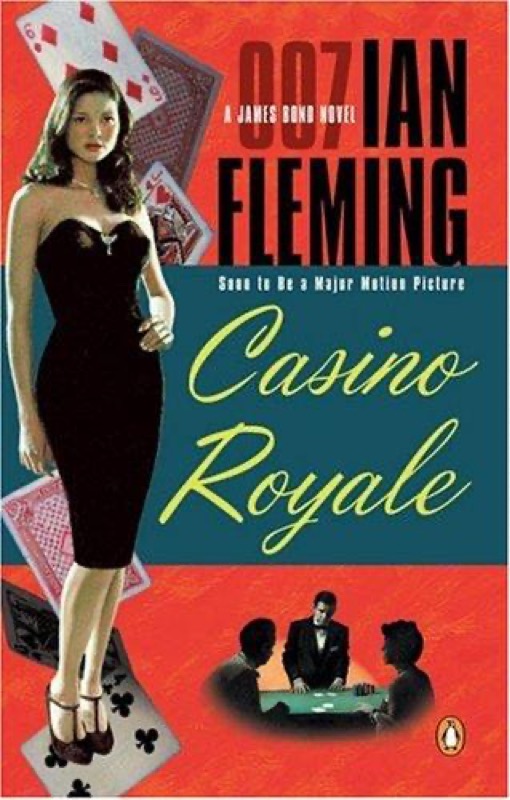
Casino Royale (James Bond, #1)
James Bond Series
Hook & thesis
Ian Fleming’s Casino Royale introduces readers to the archetypal British spy, James Bond, and pits him against a villainous antagonist in a high-stakes game of baccarat. At its core, the novel examines themes of trust, betrayal, and the moral ambiguity of espionage. Verdict: Fleming deftly crafts a compelling narrative that transcends its genre trappings, revealing the precarious nature of loyalty in a world riddled with deceit.
The contextual pivot
As the first entry in the Bond series, Casino Royale occupies a pivotal space in the dark-thriller genre, melding elements of espionage with romantic suspense. Fleming’s work stands alongside contemporaries like John le Carré, though it leans more heavily into action than psychological intrigue. The novel speaks to an audience that thrives on tension and glamour yet allows for a deeper exploration of character motivations, bridging niche tropes with broader appeal as it set the tone for subsequent spy novels.
Deep-dive critique
Fleming’s structure in Casino Royale is both linear and taut, with each chapter methodically escalating stakes. The use of a third-person limited point of view allows readers to closely follow Bond’s internal struggles, particularly his complex feelings towards Vesper Lynd, which adds a layer of emotional depth amidst the action. The pacing serves the narrative well, maintaining tension through alternating sequences of gambling and physical confrontations, a deliberate choice that reflects the duality of Bond’s life—one rooted in chance and the other in calculated violence.
The prose, while at times utilitarian, captures the sleek sophistication of Bond’s world, with vivid descriptions that paint a striking backdrop for the narrative. However, some dialogue feels stilted, especially in moments meant to convey emotional weight, which can detract from the overall impact. The ending, while surprising, is earned through the incremental build-up of Bond’s vulnerabilities, emphasizing the tragic elements of his relationships and the burdens of his profession. The interplay of violence and seduction further complicates the reader’s perception of morality, making Fleming’s commentary on the era’s gender dynamics particularly provocative.
Discussion launchpad
Fleming’s Casino Royale instigates polarizing views on the portrayal of masculinity and morality in the context of espionage. The novel invites reflection on how far loyalty must be tested in the name of duty.
Questions for the room:
- How does Fleming’s depiction of Vesper Lynd impact the narrative’s exploration of gender dynamics?
- In what ways does the novel reflect the cultural attitudes of its time, and how do those resonate with contemporary readers?
- Can Bond be viewed as a morally ambiguous hero, or does he cross a line into irredeemability?
- How do the themes of betrayal and trust resonate in today’s geopolitical landscape?
- What role does the setting play in shaping the novel’s tension?
#LiteraryAnalysis #darkthriller #romanticsuspense #spy #action #theorchidroom