
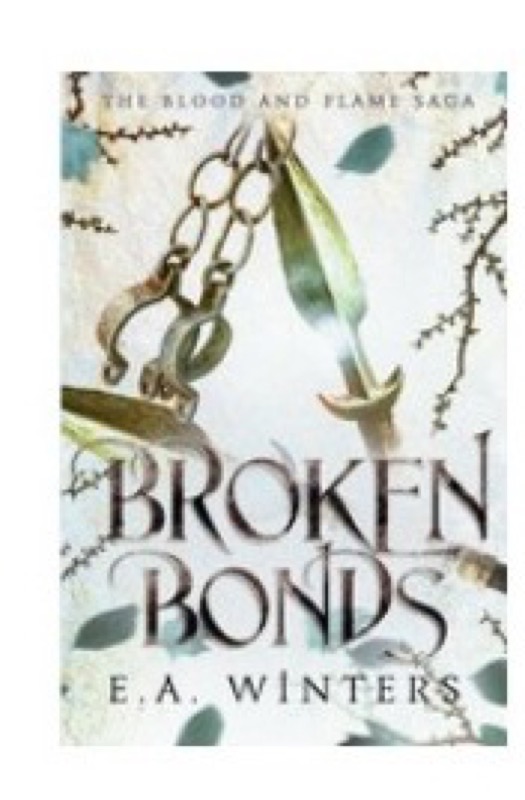
Broken Bonds
The Blood and Flame Saga
Hook & thesis
In E.A. Winters’ Broken Bonds, the tension between power and vulnerability unfurls within a captivating world of captor and captive. Verdict: This novel wields its darker themes with an intoxicating blend of romance and danger, ultimately illuminating the complexity of desire stitched into the very fabric of bondage.
The contextual pivot
Positioned squarely within the captor-and-captive subgenre, Broken Bonds simultaneously embraces and subverts familiar tropes. Winters, known for her mastery of romantic tension laced with elements of fantasy, invites readers into a world where dark magic and emotional entrapment reign. This genre often grapples with the duality of desire and submission, and Winters’ narrative expertly balances these elements, appealing to both niche enthusiasts and broader audiences seeking unconventional love stories. The book cultivates its dark allure, promising escapism while confronting the unsettling intricacies of power dynamics.
Deep-dive critique
The structure of Broken Bonds is thoughtfully crafted, weaving together a dual narrative that juxtaposes the perspectives of the captor and the captive. This duality not only intensifies the stakes but allows for a richer exploration of character motivations and emotional landscapes. Winters employs a tight third-person point of view that draws readers intimately into the minds of her characters, amplifying the tension inherent in their relationship. The pacing, though at times languid in its detailed exploration of their emotional turmoil, ultimately serves to heighten the anticipation of significant turning points within the plot.
Winters’ prose is both poetic and visceral, employing striking imagery that evokes the physical and emotional entrapments of the characters. For instance, her descriptions of chains and dark magic are not merely ornamental but serve as metaphors for the characters’ inner struggles—binding them not just in a literal sense but also in their fears and desires. Dialogue often crackles with a mix of tension and longing, as the characters dance around their fated bond while grappling with the implications of their situation. However, the novel occasionally falters in its reliance on certain genre tropes, risking predictability in moments where originality is crucial. The ending, while satisfying in its resolution of the central conflict, raises questions about the true nature of freedom in a relationship founded on captivity, leaving some thematic threads tantalizingly unresolved.
Discussion launchpad
Broken Bonds is bound to ignite passionate discussions, particularly around the implications of love entwined with power and captivity. The delicate equilibrium between desire and domination presents fertile ground for debate.
Questions for the room:
- How does the portrayal of captivity challenge or reinforce conventional romantic ideals?
- In what ways does the dual perspective enhance or detract from the story’s central themes?
- What ethical considerations arise when exploring relationships rooted in power dynamics?
- How does the ending reshape our understanding of the characters’ journeys?
- Can we reconcile the novel’s dark elements with a romantic narrative, or do they fundamentally conflict?
#TheOrchidRoom #BrokenBonds #darkromance #captivity #literaryanalysis