
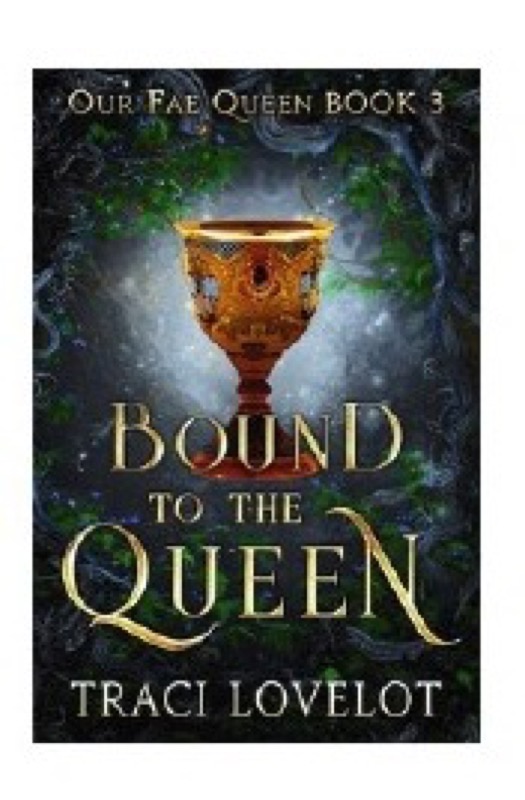
Bound to the Queen
Our Fae Queen — Book 3
Hook & thesis
In Bound to the Queen, Traci Lovelot delves deep into the intertwining complexities of power, desire, and autonomy within a fantastical realm steeped in dark politics and magical bindings. Verdict: This book sets the stage for a compelling exploration of the human soul’s entanglement with authority and longing, ultimately revealing a narrative that ensnares both the heart and mind.
The contextual pivot
As the third installment in the Our Fae Queen series, Bound to the Queen navigates the intricate web of fantasy-romance with a deft hand, positioning itself alongside works by Sarah J. Maas and Holly Black, where the allure of fae politics meets the throes of passion and peril. Lovelot’s prose appeals to both devoted fans of the genre and curious newcomers, bridging niche themes of captivity and power imbalance with broader explorations of desire and agency. The book’s ability to intertwine romantic tension with darker themes of magical binding positions it uniquely within the landscape of contemporary fantasy, resonating with readers who crave both escapism and depth.
Deep-dive critique
Lovelot’s narrative architecture thrives on tension, employing a dual perspective that oscillates between the captive and the captor, which deepens the reader’s understanding of both characters’ vulnerabilities and desires. The pacing effectively mirrors the ebb and flow of power dynamics, with moments of intense emotional confrontation followed by lulls that allow for introspection—though at times the transitions between these moments can feel abrupt, creating a slight dissonance in the reader’s emotional journey.
The prose is rich and evocative, particularly in its world-building; Lovelot’s descriptions of the fae realm are lush, drawing the reader into a vividly imagined landscape that mirrors the tumultuous emotions of her characters. However, dialogue occasionally falls flat, lacking the nuance that would elevate the characters’ interactions beyond straightforward exchanges, which can distance the reader from the emotional stakes at play. The thematic threads of captivity and power are explored with a deft hand, yet the resolution, while satisfying in its romantic closure, leaves some questions regarding the implications of the characters’ decisions, hinting at a complex moral tapestry that could be further unraveled.
Discussion launchpad
This narrative invites a spectrum of interpretations regarding the intersection of power and desire, as well as the ethical implications of magical coercion in relationships. Questions for the room:
- How do you interpret the power dynamics at play between the captive and the captor?
- In what ways does the setting enhance or hinder the exploration of autonomy and agency?
- Can we reconcile the darker themes of captivity with the romantic elements of the story, or do they ultimately undermine one another?
- What did you think of the character development throughout the series — did it feel earned by the end?
#TheOrchidRoom #fantasyromance #darkromance #fae #literaryanalysis