
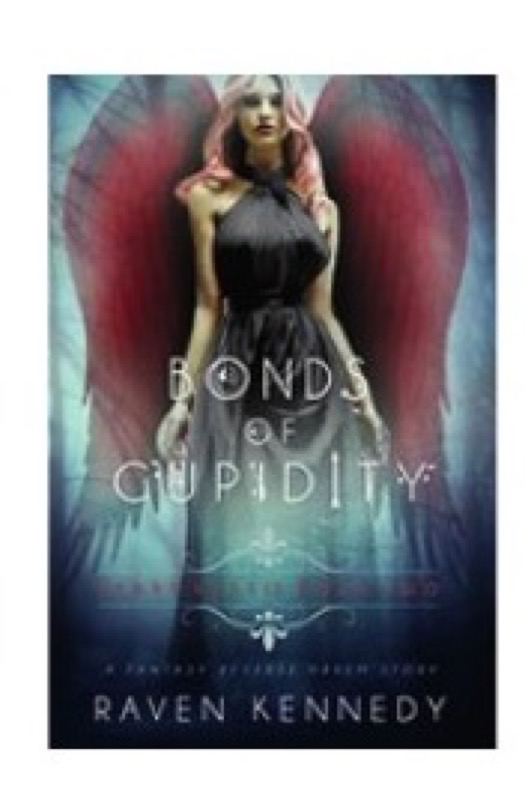
Bonds of Cupidity
Heart Hassle Book Two — A Fantasy Reverse Harem Story
Hook & thesis
In Bonds of Cupidity, Raven Kennedy intricately weaves a tale of desire, manipulation, and the complexities of human connection within a reverse-harem framework. Verdict: This book transcends its genre by exploring the intricate dynamics of power and longing in relationships, making it a must-read for those who crave depth alongside their romantic exploits.
The contextual pivot
Positioned firmly within the reverse-harem subgenre, this narrative draws on familiar tropes while subverting expectations typical of contemporary romance. Kennedy’s work resonates alongside authors like Sarah J. Maas, who similarly explores themes of love entangled with peril and moral ambiguity. However, unlike Maas, who often leans into epic fantasy, Kennedy’s focus on emotional intensity and the psychological landscape of her characters bridges niche tropes to a more general audience. The exploration of “why-choose” dynamics taps into a broader conversation about agency and choice in romantic entanglements, inviting readers from various backgrounds to reflect on their own experiences with desire and relationships.
Deep-dive critique
Kennedy’s prose is both lyrical and incisive, crafting a world that pulsates with tension and emotional stakes. The pacing is deliberate, allowing the reader to fully immerse in the psychological turmoil of the protagonist, who navigates a labyrinth of affection and betrayal. The use of multiple perspectives enhances the narrative, granting insight into the motivations of each love interest while simultaneously complicating the central conflict.
The thematic success lies in its exploration of dependency versus autonomy; each character represents a facet of desire that reflects the protagonist’s internal struggle. The dialogue is sharp, often revealing the characters’ vulnerabilities, which elevates the emotional stakes significantly. However, at times, the reliance on certain tropes can feel heavy-handed, risking a sense of predictability in character arcs.
The ending, while satisfying, could be viewed as a double-edged sword; it ties up loose threads but leaves the reader with lingering questions about the nature of love and loyalty. This tension between resolution and ambiguity serves the thesis well, prompting reflection long after the final page is turned.
Discussion launchpad
Bonds of Cupidity invites polarizing discussions around themes of loyalty, choice, and the ethics of love in complex relationships. It balances the fine line between romantic fantasy and emotional realism, raising questions about the nature of desire in a world where choice can often feel like an illusion.
Questions for the room:
- How do the character dynamics challenge or reinforce traditional notions of monogamy?
- In what ways does the text reflect contemporary societal views on relationships?
- Do you think the use of multiple perspectives enhances or detracts from the emotional impact of the story?
- How does Kennedy’s portrayal of desire compare to other authors in the genre?
- What unresolved themes do you think could have been explored further?
#TheOrchidRoom #reverseharem #darkromance #bonds #literaryanalysis