
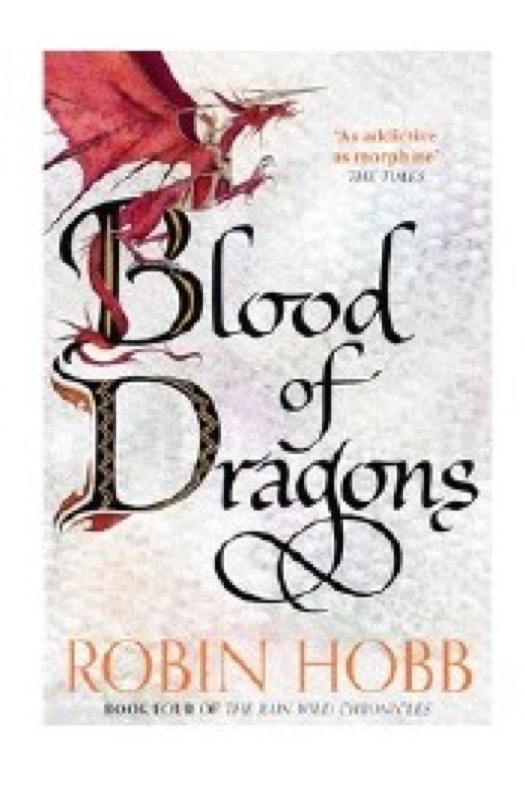
Blood of Dragons
Book Four of the Rain Wild Chronicles
Hook & thesis
In Blood of Dragons, the culmination of the Rain Wild Chronicles, Robin Hobb orchestrates a haunting exploration of legacy, sacrifice, and identity against a backdrop of dark fantasy. Verdict: Hobb’s masterful prose and intricate character development elevate this work beyond mere genre, revealing the raw, unyielding struggle for belonging that resides at its core.
The contextual pivot
Nestled within the expansive realm of fantasy romance, Hobb’s work stands out for its deep emotional resonance and intricate world-building. Unlike many contemporaries who favor a more straightforward narrative, Hobb immerses readers in the complexities of her characters’ psyches, creating an invisible audience that craves not just adventure, but profound emotional stakes. This series, while rich in fantastical elements like dragons and magic, beckons to both fantasy aficionados and those who appreciate nuanced character studies, bridging niche tropes with universal themes.
Deep-dive critique
Hobb’s narrative structure is particularly noteworthy; she employs a multi-POV approach that allows the inner conflicts of her characters to breathe and resonate. The pacing, however, can be a double-edged sword. While the deliberate tempo fosters depth and tension, it occasionally drags, threatening to dilute the urgency of the plot’s climactic moments. Hobb’s prose shines with vivid imagery and meticulous detail, yet it is her character development that truly captivates. Each character, from the tormented Thymara to the steadfast Sintara, embodies a rich tapestry of desires and fears, making their arcs both relatable and tragic.
The thematic exploration of blood—both as a literal element of the dragons’ existence and a metaphor for familial ties—serves to deepen the emotional stakes. The emotional intensity is palpable, and Hobb does not shy away from depicting the rawness of sacrifice and the cost of ambition. However, one might argue that certain narrative threads feel unresolved, especially regarding the fate of secondary characters, leaving the reader yearning for closure.
Discussion launchpad
Hobb’s ability to weave intricate emotional landscapes into a fantasy setting raises several polarizing elements, particularly surrounding the pacing and character resolutions.
Questions for the room:
- How do you feel about the pacing of the narrative? Does it enhance or detract from your engagement with the story?
- In what ways does Hobb’s treatment of blood and sacrifice challenge traditional fantasy tropes?
- Were you satisfied with the resolutions of secondary characters, or did their arcs feel underdeveloped?
- How does Hobb balance the dark elements of her narrative with moments of hope and redemption?
- What does the portrayal of emotional intensity add to the romantic elements within the story?
#TheOrchidRoom #fantasyromance #romantasy #darkromance #blood