
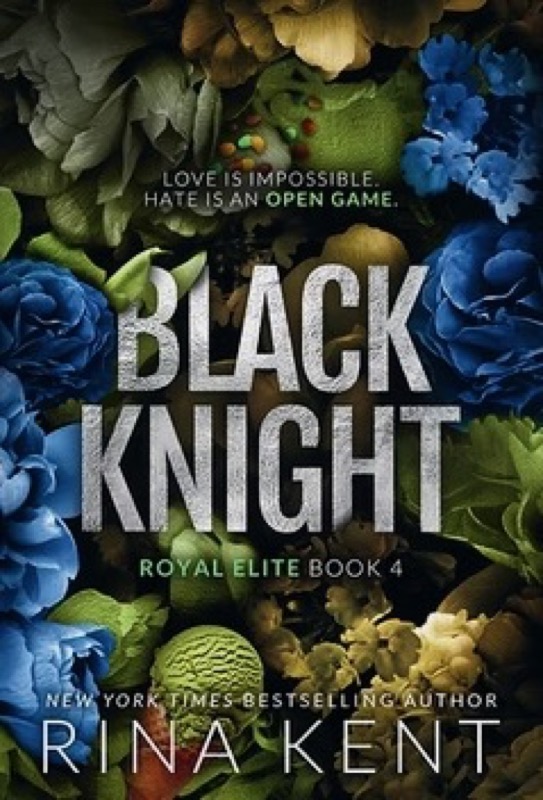
Black Knight
Love is impossible. Hate is an open game. — Royal Elite Book 4
Hook & thesis
In Rina Kent’s Black Knight, the author deftly navigates the treacherous waters of obsession and power within the context of a dark bully romance, crafting a narrative that pulsates with tension and desire. Verdict: This novel excels in exploring the seduction of danger and the intoxicating nature of hate, ultimately revealing that love is not merely a game but a battlefield.
The contextual pivot
Black Knight positions itself firmly within the bully romance subgenre, a realm where antagonism often masquerades as passion, and the lines between desire and destruction blur tantalizingly. Kent’s narrative emerges from a well-trodden path in contemporary dark romance, reminiscent of authors like Penelope Douglas and Tate James, yet it carves its unique niche by intertwining themes of chess—a metaphor for strategic love and betrayal—into the fabric of its plot. Here, the audience oscillates between those who revel in the thrill of dark romances and those hesitant to embrace the inherent moral complexities, making the book both an enticing entry point and a challenging read for a wider audience.
Deep-dive critique
Kent’s structure employs a dual perspective that immerses the reader in the psyche of both protagonists, offering insights into their motivations and vulnerabilities. The pacing, particularly in the way it builds tension, mirrors a chess match, with calculated moves leading to explosive confrontations. The dialogue crackles with a blend of sharp wit and veiled threats, contributing to the charged atmosphere that permeates the novel. However, at times, this tension risks becoming repetitive, with the cyclical nature of conflict and resolution threatening to undermine the emotional stakes.
Character development is a double-edged sword; while the protagonists are richly drawn and their internal conflicts compelling, some secondary characters appear underdeveloped, serving more as plot devices than as fully realized individuals. Kent’s thematic exploration of power imbalance, particularly in the context of obsession, is poignant, reflecting societal issues of control and manipulation. Yet, the ending, while dramatic and satisfying, raises questions about the sustainability of the relationship dynamics established throughout the narrative—are they a reflection of true passion or merely an echo of their tumultuous beginnings?
Discussion launchpad
The polarities in Black Knight are stark; some readers may revel in the intense emotional stakes and the thrill of dark romance, while others may find the portrayal of obsession troubling or even glorified. The ethical implications of the characters’ actions invite deep reflection on the nature of love and power dynamics.
Questions for the room:
- How does the portrayal of obsession in Black Knight shape our understanding of romantic relationships?
- Do you see the power imbalance as a critical thematic element or a problematic trope?
- In what ways does the chess metaphor enrich the narrative, and does it succeed in heightening the stakes?
- How do the character arcs reflect or challenge the conventions of the bully romance genre?
- Is the ending of Black Knight earned, or does it suggest an unrealistic resolution to the characters’ struggles?
#TheOrchidRoom #bullyromance #darkromance #royalelite #literaryanalysis