
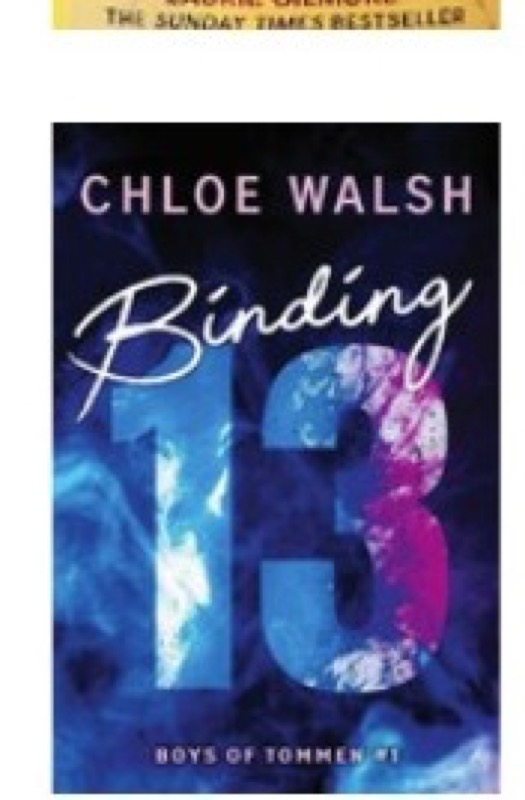
Binding 13
Boys of Tommen #1
Hook & thesis
In Binding 13, Chloe Walsh plunges readers into the tumultuous waters of adolescence, where desire and cruelty intertwine within the confines of a high school sports culture. Verdict: This novel deftly navigates the complexities of toxic relationships, revealing that beneath the veneer of bullying lies a desperate yearning for connection and understanding.
The contextual pivot
Binding 13 occupies a niche within the bully-romance subgenre, a space that has garnered both fascination and criticism for its portrayal of antagonistic relationships. Walsh skillfully articulates the tension of youth, yet her work resonates beyond typical genre confines, appealing to readers who may not typically engage with dark romance. By weaving in the intricacies of Irish culture, Walsh cultivates a rich backdrop that enhances the story’s emotional stakes, creating an invisible audience that craves authenticity and depth alongside the conventional tropes of young love and rivalry.
Deep-dive critique
Walsh’s narrative structure effectively emulates the chaotic rhythm of teenage life, employing alternating points of view that allow for nuanced character exploration. The pacing, while at times erratic, mirrors the characters’ emotional volatility, maintaining reader engagement even when the tension between protagonists veers into uncomfortable territory. The prose, imbued with sharp dialogue and visceral imagery, captures the rawness of adolescent experience, although at moments, it risks losing subtlety in its portrayal of violence and bullying.
Characterization shines in the complex protagonists, who are both flawed and relatable. The interplay of power dynamics is palpable, as Walsh explores the intersections of love, rivalry, and the heavy burden of societal expectations. However, as the story unfolds, certain plot developments appear contrived, leading to an ending that feels more a product of genre obligation than an earned resolution. The thematic exploration of how bullying morphs into a vehicle for desire is compelling, yet it occasionally teeters on glorifying toxic behaviors instead of critically examining them.
Discussion launchpad
The exploration of power, desire, and the ethics of romanticizing bullying in Binding 13 presents fertile ground for discussion. What does it mean to love someone who also inflicts pain? How do we reconcile the allure of the ‘bad boy’ trope with the realities of emotional manipulation?
Questions for the room:
- Does Walsh’s portrayal of bullying ultimately serve as a cautionary tale or as a glorification of toxic relationships?
- How do cultural contexts shape the characters’ actions and motivations?
- In what ways does the alternating POV enhance or detract from our understanding of the characters?
- Is the portrayal of sports culture integral to the themes of the novel, or does it distract from the central narrative?
- What unresolved tensions linger in the relationship dynamics presented in the story?
#TheOrchidRoom #bullyromance #darkromance #BoysOfTommen #literaryanalysis