
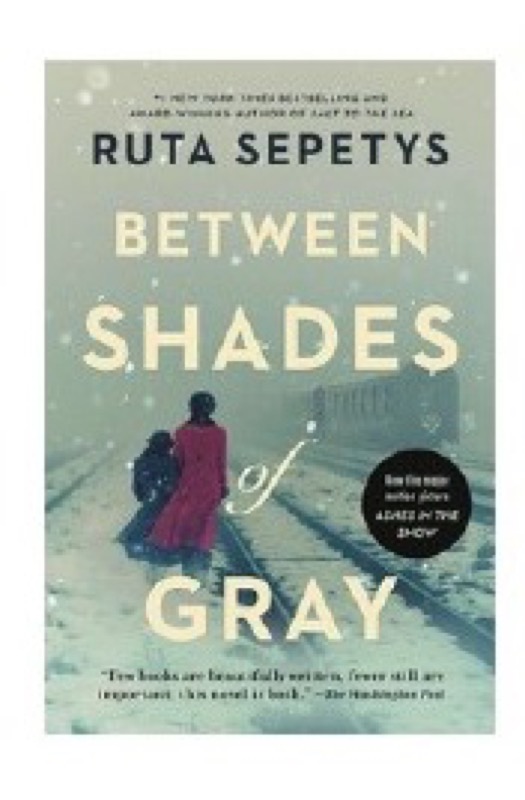
Between Shades of Gray
Hook & thesis
In Ruta Sepetys’ haunting novel, Between Shades of Gray, the author seeks to illuminate the harrowing experiences of those caught in the web of historical trauma during World War II. Verdict: This novel stands as a poignant reminder of the resilience of the human spirit amidst despair, expertly weaving personal struggle into a broader narrative of survival.
The contextual pivot
Positioned within the dark-thriller genre, Between Shades of Gray navigates the tumultuous waters of historical fiction with a focus on Lithuania’s WWII deportations. Sepetys, known for her ability to blend factual history with emotional storytelling, crafts a narrative that appeals both to niche historical enthusiasts and general readers alike. This work bridges the often overlooked aspects of Eastern European experiences during the war, contrasting with more familiar narratives situated in Western Europe. The invisible audience likely includes readers seeking depth and authenticity in historical accounts while also appreciating the intricacies of human relationships under duress.
Deep-dive critique
Sepetys’ craftsmanship shines in her choice of a first-person narrative that allows readers to intimately experience the protagonist Lina’s journey. The pacing is deliberate, mirroring the slow unraveling of hope and the urgency of survival. Through vivid descriptions and stark imagery, the author conjures a palpable atmosphere of dread that permeates the novel. The dialogue, laced with a mix of tenderness and harsh realism, reveals the characters’ complexities and the weight of their circumstances.
However, the structure can teeter on the edge of predictability, with certain plot points falling into familiar tropes of survival narratives. Although the emotional weight is evident, some readers may find that the climax lacks a degree of tension due to the overarching sense of inevitability surrounding historical outcomes. Yet, the ending, while bittersweet, is earned through a deft balance of hope and despair, resonating long after the final page.
Discussion launchpad
The blend of historical events with personal narrative raises compelling questions about the representation of trauma and resilience. Sepetys’ depiction of character relationships invites discussion on the emotional nuances of wartime bonds versus moments of individual despair.
Questions for the room:
- How effectively does the first-person perspective enhance or detract from the overall impact of the narrative?
- In what ways do you think the author’s choice to focus on lesser-known historical events alters the reader’s understanding of WWII?
- Can the predictability of certain plot points undermine the emotional weight of the story, or does it serve a greater purpose in this context?
- How does Sepetys balance the dark themes of violence with moments of humanity, and does this balance succeed?
- What implications does the ending present about hope in the face of historical trauma?
#LiteraryAnalysis #darkthriller #wwii #historical #lithuania