
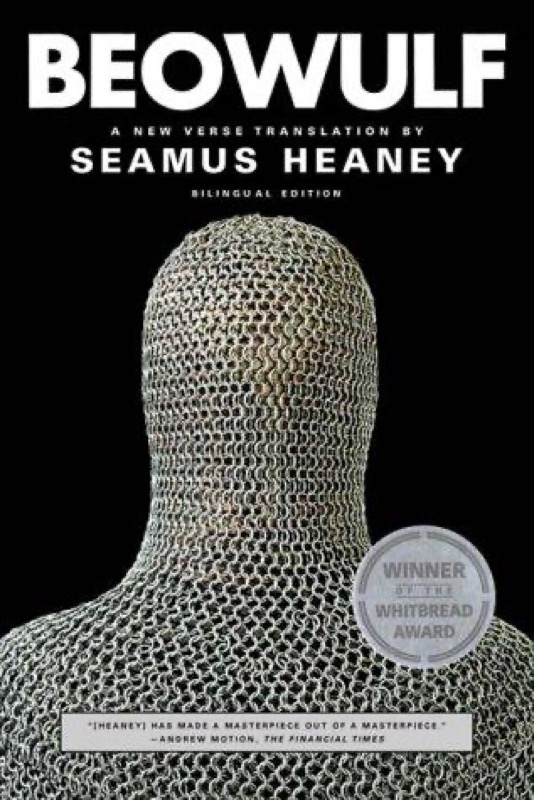
Beowulf
Hook & thesis
“Beowulf,” an epic poem attributed to an unknown author, serves as a foundational text in the canon of English literature, exploring the notions of heroism and the constant struggle against evil. Verdict: This work remains a poignant exploration of the human condition, reflecting both the valor and vulnerability inherent in the heroic journey.
The contextual pivot
As one of the earliest examples of English literature, “Beowulf” occupies a unique space within the epic genre, standing alongside works like Homer’s “Iliad” and Virgil’s “Aeneid.” While those texts focus on the glory of war and the whims of the gods, “Beowulf” navigates the complexities of morality and the human experience in a world rife with monsters, both literal and metaphorical. The poem resonates with an audience seeking to understand the qualities of a hero, bridging niche themes of medieval mythology with broader human concerns, making it accessible to general readers.
Deep-dive critique
The structure of “Beowulf” is marked by its episodic nature, divided into distinct battles that underscore the protagonist’s growth and failures. The use of alliteration and caesurae in its verse not only enhances the oral tradition but also creates a rhythmic tension that propels the narrative forward. The character of Beowulf exemplifies the archetypal hero, yet his journey reveals the duality of strength and fragility. For example, his initial confidence in slaying Grendel contrasts sharply with his later vulnerability against the dragon, illustrating the inevitability of mortality. This thematic arc is reinforced through vivid imagery, particularly in the descriptions of Grendel and the dragon, which symbolize the external and internal conflicts faced by humanity. However, the pacing can occasionally falter, as certain sections feel drawn out, potentially losing the reader’s engagement. The ending, while tragic, is earned, providing a reflective commentary on the legacy of heroism and the fleeting nature of glory.
Discussion launchpad
“Beowulf” raises several polarizing questions, particularly regarding the nature of heroism and the role of fate versus personal agency in the narrative.
Questions for the room:
- Is Beowulf a true hero, or does he exemplify the flaws of pride?
- How do the monsters in the poem reflect societal fears of the time?
- In what ways does the use of language shape our understanding of the characters’ motives?
- Can the moral lessons of “Beowulf” be applied to modern contexts, or are they outdated?
- How does the poem’s treatment of death compare to contemporary literature?
#LitClass #Grade11 #RequiredReading #epic #heroic