
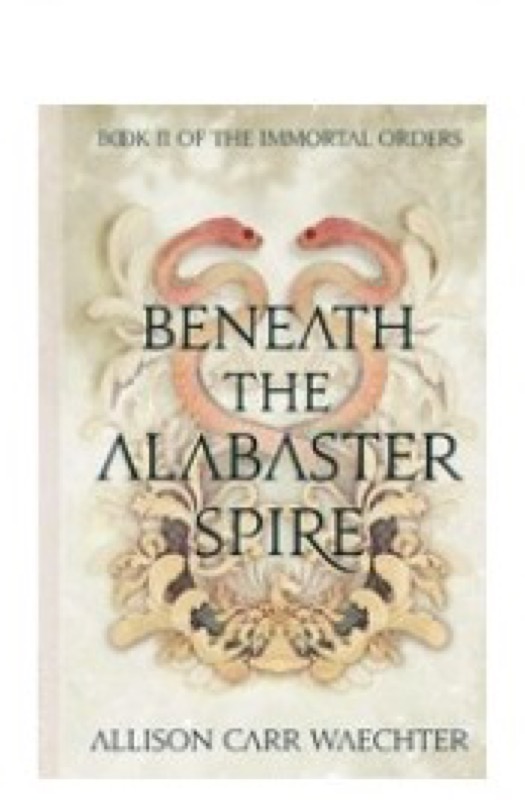
Beneath the Alabaster Spire
The Immortal Orders — Book II
Hook & thesis
In “Beneath the Alabaster Spire,” Allison Carr Waechter deftly intertwines themes of immortality and desire within a world steeped in political intrigue and dark magic. Verdict: This book masterfully explores the emotional and ethical ramifications of eternal life, revealing that true power lies not in immortality itself, but in the choices we make in its shadow.
The contextual pivot
As the second installment in the Immortal Orders series, this novel firmly situates itself within the fantasy-romance genre, yet it transcends traditional tropes through its exploration of complex relationships and moral dilemmas. Waechter’s work resonates with readers who appreciate the dark elegance of authors like Sarah J. Maas and Holly Black, while also appealing to those who savor the deeper psychological underpinnings reminiscent of Patricia A. McKillip’s narratives. The book gracefully bridges niche elements, such as the intricacies of immortal societies and their often tragic consequences, to engage a broader audience seeking both escapism and thought-provoking themes.
Deep-dive critique
Waechter’s structure, alternating between multiple points of view, creates a dynamic tapestry that allows readers to experience the internal conflicts of her characters intimately. This choice enhances the narrative’s tension, particularly as the protagonists grapple with desire, loyalty, and the weight of their immortal legacies. The pacing is deliberate; it draws readers into a slow burn that simmers with unspoken emotions, reflecting the protagonists’ struggles against both external and internal adversities.
Her prose exhibits a lyrical quality, rich in imagery that evokes the haunting beauty of the spire itself. The serpent imagery throughout serves as a powerful metaphor for temptation and the duality of nature, heightening the story’s stakes. However, at times, the dialogue can feel stilted, as if the characters are too aware of the grand philosophies they espouse, which occasionally undermines the authenticity of their interactions.
The thematic exploration of immortality is particularly resonant, prompting readers to question the value of eternal life when shadowed by loss and regret. The resolution, while satisfying, raises questions about the characters’ future choices and the moral implications of their newfound power—an ending that feels earned yet leaves lingering echoes of what might come next.
Discussion launchpad
The intricate dance of power, desire, and moral consequence creates polarizing viewpoints that could ignite heated debates in our book club.
Questions for the room:
- How does the portrayal of immortality challenge or reinforce our understanding of desire?
- Do the characters’ choices reflect genuine growth or merely serve the narrative’s needs?
- In what ways does the setting of the spire enhance or detract from the themes of the novel?
- How do the elements of political intrigue shape the characters’ relationships and motivations?
- What moral quandaries does Waechter present regarding immortality, and how do they resonate with contemporary issues?
#TheOrchidRoom #fantasyromance #darkromance #immortalorders #BeneaththeAlabasterSpire