
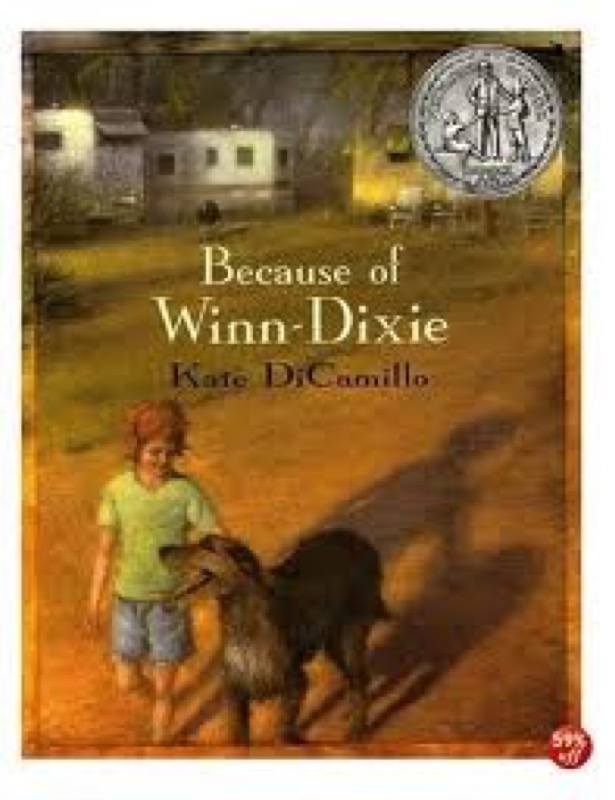
Because of Winn-Dixie
Hook & thesis
In Because of Winn-Dixie, Kate DiCamillo crafts a seemingly innocent tale that spirals into the dark recesses of childhood grief and loneliness, ultimately confronting the profound impacts of loss and connection. Verdict: Beneath its surface charm, this narrative serves as a haunting exploration of how companionship can emerge from the shadows of sorrow.
The contextual pivot
While ostensibly a children’s story, DiCamillo’s work straddles the lines of dark-thriller and coming-of-age literature, often resonating with readers seeking deeper emotional truths rather than mere entertainment. The book aligns itself with the traditions of authors like Harper Lee and their explorations of innocence amidst societal decay, appealing to both younger audiences and adults who appreciate nuanced storytelling. The invisible audience here comprises readers who can navigate the duality of whimsy and melancholy, bridging the gap between niche tropes and mainstream appeal.
Deep-dive critique
The structure of Because of Winn-Dixie employs a reflective first-person perspective that allows the protagonist, Opal, to delve into her emotional landscape, enhancing the narrative’s dark undercurrents. DiCamillo’s prose is deftly minimalistic yet layered, evoking a palpable sense of place and character without overwhelming the reader. For instance, the vibrant descriptions of the titular dog serve as a stark contrast to the underlying themes of abandonment and emotional disconnection that Opal grapples with throughout her journey.
However, the pacing can occasionally falter, particularly in sections where the exploration of secondary characters, while enriching, distracts from Opal’s central arc. The dialogue, though authentic and often infused with wit, risks losing momentum at times, which may leave readers yearning for a tighter focus on the emotional stakes at hand. The ending, while poignant, can feel somewhat rushed, as if the resolution seeks to tie up wounds too quickly after the complex layers of grief laid bare. Still, it is this very juxtaposition of light and dark that makes DiCamillo’s thematic success notable, as it invites readers to ponder the intricacies of human relationships in the face of loss.
Discussion launchpad
This book serves as fertile ground for debate, particularly regarding its tonal dichotomies and the potential dissonance between its child-friendly narrative and darker themes.
Questions for the room:
- How do you interpret the balance of whimsy and darkness in DiCamillo’s writing?
- In what ways does the portrayal of grief resonate differently with younger versus older readers?
- Are the secondary characters merely shadows of Opal’s journey, or do they serve a greater thematic purpose?
- Does the ending satisfyingly resolve the tensions presented, or does it gloss over deeper emotional truths?
- How might the book’s tone influence its reception among various demographics?
#LiteraryAnalysis #GothicEdge #darkthriller #friendship #coming-of-age #TheOrchidRoom