
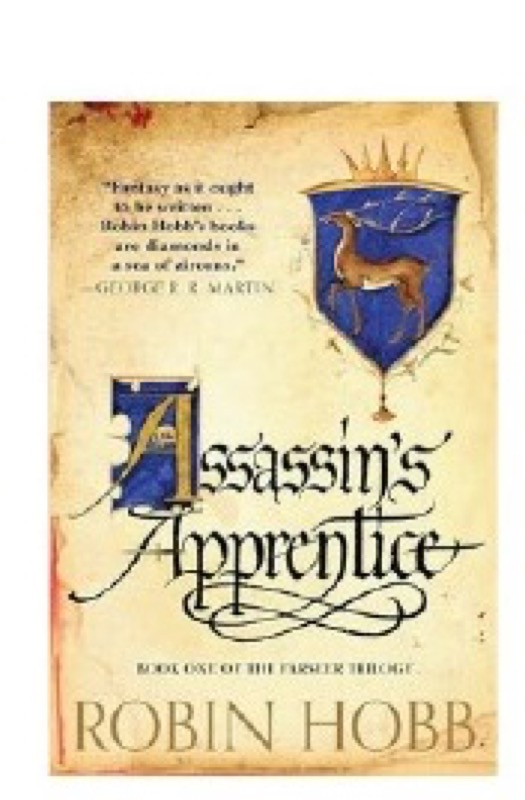
Assassin's Apprentice
Book One of the Farseer Trilogy
Hook & thesis
In Assassin’s Apprentice, Robin Hobb expertly crafts a tale of loyalty and betrayal, where the true conflict lies buried beneath the surface of duty and desire. Verdict: This novel is a haunting exploration of the cost of love and the shadows it casts on the soul.
The contextual pivot
Nestled within the rich tapestry of fantasy literature, Hobb’s work stands as a poignant entry in the subgenre of fantasy-romance, where emotional stakes often rival the epic battles of its peers. Unlike many contemporaries who lean heavily into high-stakes adventure, Hobb delves into the deeply personal struggles of her characters, making it resonate with a broader audience. The Farseer Trilogy, initiated here, masterfully entwines the themes of emotional intensity with the fantastical, drawing in readers who may typically shy away from traditional fantasy tropes.
Deep-dive critique
Hobb’s structural choices are crucial in unfolding the protagonist Fitz’s journey. The narrative is delivered through a first-person lens, allowing readers intimate access to Fitz’s internal turmoil, which amplifies the emotional weight of his decisions. This POV choice serves to create a profound connection with readers, immersing them in Fitz’s fears and desires. The pacing ebbs and flows, mirroring the protagonist’s tumultuous relationships, particularly with his mentor Chade and the enigmatic love interests that lurk in the periphery.
The thematic exploration of familial bonds versus personal ambition is particularly striking. Hobb does not shy away from the darker elements of love—betrayal, sacrifice, and the moral complexities of an assassin’s life. The prose is rich and evocative, painting vivid images of the Six Duchies while also laying bare the emotional landscapes of its characters. However, some may argue that Hobb’s meticulous world-building occasionally stalls the momentum, creating moments that feel drawn-out, yet those interludes often serve to deepen the reader’s investment in the world and its tensions.
The ending, while poignant, teeters on the edge of ambiguity, leaving readers questioning the true cost of Fitz’s choices. It’s a deliberate choice by Hobb, fostering a sense of unease that lingers long after the final page is turned—an ending that is both fitting and haunting, though some may find it less satisfying.
Discussion launchpad
The intricate dance of love and duty in Assassin’s Apprentice opens up rich avenues for discussion, particularly regarding Hobb’s approach to character relationships and moral dilemmas.
Questions for the room:
- Do you believe the emotional intensity enhances or detracts from the fantasy elements?
- How does Hobb’s portrayal of Fitz challenge or conform to typical hero archetypes?
- What does the novel suggest about the nature of love in a world filled with duty and violence?
- In what ways does the ambiguous ending influence your perception of Fitz as a character?
- How do the themes of betrayal and loyalty resonate with contemporary societal issues?
#TheOrchidRoom #fantasyromance #romantasy #darkromance #assassinsapprentice