
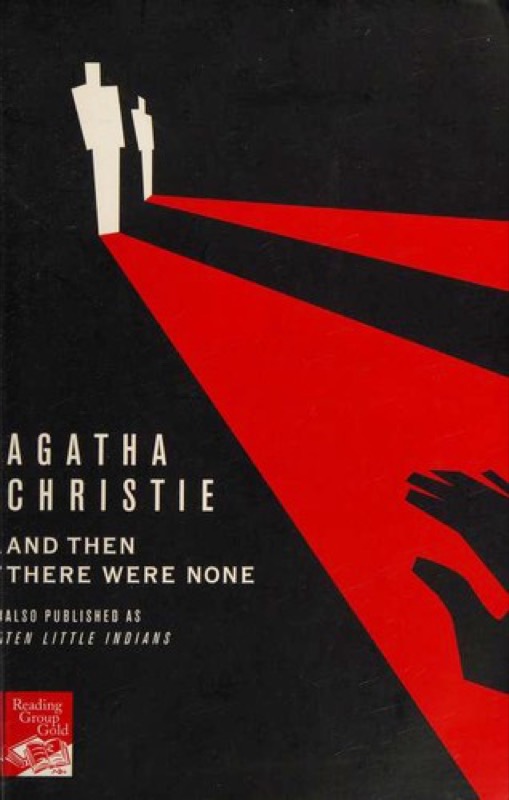
And Then There Were None
Hook & thesis
Agatha Christie’s And Then There Were None presents a masterclass in isolation and paranoia, as ten strangers are drawn to a secluded island only to find themselves ensnared in a deadly game orchestrated by an unseen hand. Verdict: The chilling dance of betrayal and the inescapable grip of guilt render this classic a haunting exploration of the darkest recesses of human nature.
The contextual pivot
Positioned as a seminal work in the dark-thriller genre, And Then There Were None transcends the traditional whodunit framework by infusing gothic elements of dread and moral reckoning. While Christie is often celebrated for her intricate plots, this novel aligns more closely with the existential horror of Shirley Jackson than the genteel mysteries of her contemporaries. The invisible audience encompasses both avid mystery lovers and general readers drawn to tales of psychological torment, effectively bridging niche tropes with broader themes of justice and retribution.
Deep-dive critique
Christie expertly constructs a claustrophobic atmosphere, using pacing and structure to amplify tension. The nonlinear timeline, interspersed with flashbacks, serves to unravel the characters’ pasts, revealing motivations tangled with guilt and remorse. This layered narrative technique not only deepens the suspense but also underscores the profound psychological exploration of each character’s morality. The character development, particularly that of Vera Claythorne and Philip Lombard, is masterfully executed, providing a chilling glimpse into the human psyche under duress. Yet, the dialogue occasionally falls flat, as certain exchanges feel stilted compared to the rich inner monologues that drive the characters’ motivations. The ending, although surprising, raises questions about the morality of justice served in such a brutal manner, leaving readers with a haunting ambivalence that resonates long after the final page.
Discussion launchpad
The novel’s exploration of guilt and retribution invites diverse interpretations, particularly concerning the morality of the murders committed by the characters and their judgment.
Questions for the room:
- What is the moral weight of the characters’ pasts in determining their fates?
- Does the novel ultimately endorse or condemn the concept of vigilante justice?
- How does the isolation of the island serve as a metaphor for societal guilt?
- In what ways does the ending challenge or satisfy conventional narrative closure?
- How might the novel differ if written from a contemporary perspective, especially regarding its treatment of justice and morality?
#LiteraryAnalysis #GothicEdge
#darkthriller #mystery #theorchidroom