
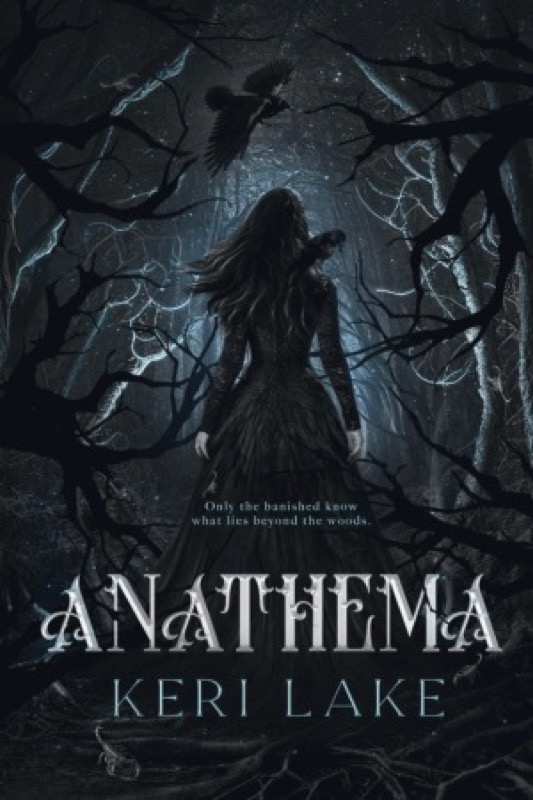
Anathema
Only the banished know what lies beyond the woods.
Hook & thesis
In Keri Lake’s Anathema, the boundaries of love and horror intertwine within a dense, gothic landscape, revealing how isolation can warp desire into something both haunting and beautiful. Verdict: This novel masterfully explores the darkness of longing, pulling readers into a seductive abyss where the true terror lies not in the supernatural, but in the depths of human connection.
The contextual pivot
Nestled within the vampire-paranormal genre, Anathema stands as a fierce testament to Lake’s ability to blend dark romance with psychological horror. Unlike typical vampire narratives that often lean heavily on the allure of immortality, this work delves deeper into the psychological ramifications of isolation and the weight of dark magic. Lake’s storytelling echoes the atmospheric tension found in authors like Anne Rice, while also weaving in elements reminiscent of contemporary dark fantasy. The invisible audience is likely one that craves intense emotional exploration framed within a supernatural context, effectively bridging niche tropes to appeal to general readers drawn to gothic tales of desire and despair.
Deep-dive critique
The structure of Anathema is deliberate, utilizing a nonlinear timeline that mirrors the characters’ fractured psyches and the secrets they harbor. By employing a close third-person perspective, Lake allows us to intimately experience the tumultuous emotions of her protagonists, fostering a sense of empathy even in their most morally ambiguous moments. The pacing fluctuates, effectively building tension during critical moments that evoke both dread and longing, while the lush, descriptive prose immerses readers deeply into the dark forest that serves as both sanctuary and prison.
Lake’s character development is particularly notable; the protagonists are layered, flawed, and deeply human despite their supernatural circumstances. Dialogue crackles with a raw intensity, reflecting the characters’ emotional states, while the world-building intricately intertwines folklore with psychological intensity, leaving readers questioning the line between reality and the fantastical. However, some may argue the narrative occasionally immerses too deeply in its own darkness, which could alienate readers unprepared for the psychological weight of the themes explored. The ending, though steeped in ambiguity, feels earned, encapsulating the essence of sacrifice and the complexities of love intertwined with violence and death.
Discussion launchpad
Anathema invites rich discussion due to its exploration of complex themes of love, isolation, and the interplay of darkness and desire. Readers may find themselves divided on the effectiveness of Lake’s psychological depth versus the potential alienation of her characters’ choices.
Questions for the room:
- Do you believe the psychological intensity enhances the romance, or does it overshadow the emotional connection?
- How does Lake’s portrayal of isolation resonate with contemporary themes in literature?
- In what ways does the setting of the forest reflect the inner turmoil of the characters?
- Can the darkness of the narrative be reconciled with the notion of love, or are they inherently at odds?
- How does Anathema compare to other works in the vampire genre regarding its treatment of desire and morality?
#TheOrchidRoom #Anathema #KeriLake #darkromance #gothic