
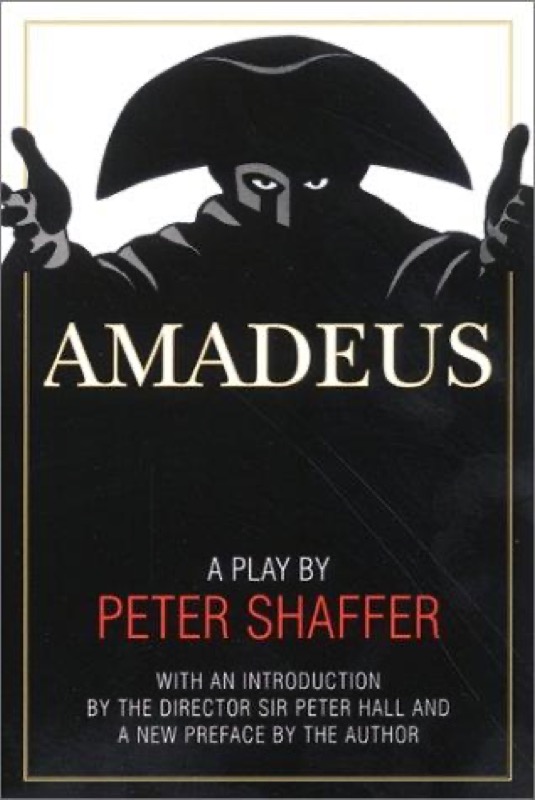
Amadeus
A dramatic exploration of the life of Mozart and the envy of his contemporary Salieri.
Hook & thesis
In Peter Shaffer’s Amadeus, the intricate dance of genius and envy unfolds in a darkly comedic yet tragic exploration of Wolfgang Amadeus Mozart and his contemporary, Antonio Salieri. The true engine of the narrative revolves around the destructive power of jealousy and the quest for recognition in a world that often overlooks true talent. Verdict: This play is a masterclass in revealing how envy can lead to both the elevation and annihilation of the human spirit.
The contextual pivot
Amadeus resides firmly within the realm of dark thrillers, yet it deftly blends elements of biographical drama and historical fiction. Shaffer crafts an intense portrayal of Mozart’s life through the lens of Salieri, a device that not only serves to explore their complex relationship but also positions the work as a commentary on the nature of artistic genius itself. The play resonates with audiences who appreciate character-driven narratives, appealing to both niche enthusiasts of classical music and broader audiences drawn to tales of rivalry and ambition. Shaffer’s exploration of the fine line between admiration and envy offers a fresh perspective in a genre often dominated by mere romantic suspense or straightforward biopic tropes.
Deep-dive critique
The structure of Amadeus is pivotal to its thematic success; the choice of Salieri as the unreliable narrator creates a rich tapestry of subjective truth. The pacing is deliberate, allowing moments of reflection that enhance the emotional weight of Salieri’s revelations about his own mediocrity in contrast to Mozart’s brilliance. Shaffer uses dialogue not only to drive the narrative but also to reveal the characters’ inner turmoils. For instance, Salieri’s soliloquies are laced with both admiration and bitterness, showcasing Shaffer’s deft hand at crafting multilayered characters. However, the reliance on historical characters may alienate some readers unfamiliar with the intricacies of their lives. While the ending delivers a resonant closure on Salieri’s own existential crisis, it risks leaving the audience yearning for a more comprehensive resolution regarding Mozart’s legacy.
Discussion launchpad
The thematic exploration of envy versus admiration may polarize readers, with different interpretations of Salieri’s motivations and moral standing.
Questions for the room:
- Does Salieri’s envy render him a tragic figure or a villain?
- How effectively does Shaffer balance the biographical elements with dramatic tension?
- In what ways do the musical interludes enhance or detract from the play’s emotional impact?
- Can Salieri’s narrative be seen as a critique of societal structures that favor certain types of genius over others?
- How does the portrayal of Mozart challenge or conform to the archetype of the tortured artist?
#LiteraryAnalysis #darkthriller #biographical #drama #theorchidroom