
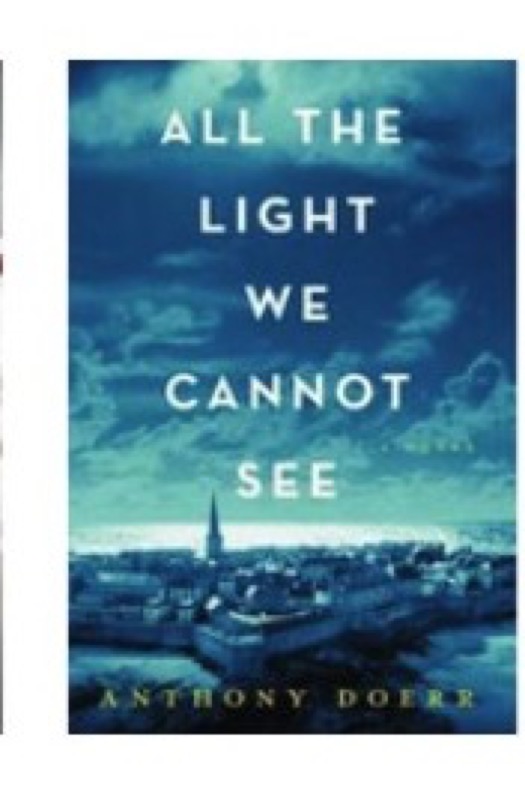
All the Light We Cannot See
A Novel
Hook & thesis
In All the Light We Cannot See, Anthony Doerr crafts a poignant narrative that intertwines the lives of a blind French girl and a German boy during World War II, revealing the profound human connection that persists amidst the chaos of war. Verdict: This novel is a masterclass in weaving delicate prose with the harsh realities of human conflict, creating a haunting exploration of resilience and the light that exists even in darkness.
The contextual pivot
Positioned squarely within the realm of literary historical fiction, Doerr’s work stands apart through its lyrical prose and intricate character development, echoing the depths of writers like Markus Zusak and Kate Atkinson. The novel not only appeals to enthusiasts of dark thrillers but also captivates general readers with its universal themes of love, loss, and the search for meaning in an incomprehensible world. This broad appeal bridges niche tropes, making it accessible while retaining depth that resonates with a more discerning audience.
Deep-dive critique
The structure of All the Light We Cannot See oscillates between the perspectives of Marie-Laure LeBlanc and Werner Pfennig, creating a rich tapestry that highlights the contrast of their experiences. Doerr’s use of nonlinear timelines enhances the tension, as readers oscillate between their intertwined fates, effectively illustrating the randomness of war and the fragility of life. The prose excels in its vivid imagery and sensory detail, especially in portraying Marie-Laure’s perception of the world through sound and touch, which enlivens her experiences and evokes empathy. However, the dialogue at times feels stilted, almost overshadowed by the elegance of the descriptive language, which can disrupt the natural flow and diminish character authenticity. The ending is both poignant and earned, encapsulating the novel’s central themes of hope and connection, even when faced with despair.
Discussion launchpad
The novel’s exploration of moral ambiguity and the impact of war on the human spirit presents polarizing viewpoints, particularly regarding the portrayal of innocence amid destruction and the romanticization of suffering.
Questions for the room:
- How does Doerr’s lyrical style affect your perception of the characters and their struggles?
- Do you find the dual perspective narrative enhances or detracts from the overall impact of the story?
- In what ways does the novel challenge or reinforce your views on the nature of wartime morality?
- Are the character arcs satisfying in their resolution, or do they leave lingering questions about fate and agency?
- How does the theme of light versus darkness resonate with contemporary issues beyond the historical setting?
#LiteraryAnalysis #darkthriller #wwii #pulitzer #literary