
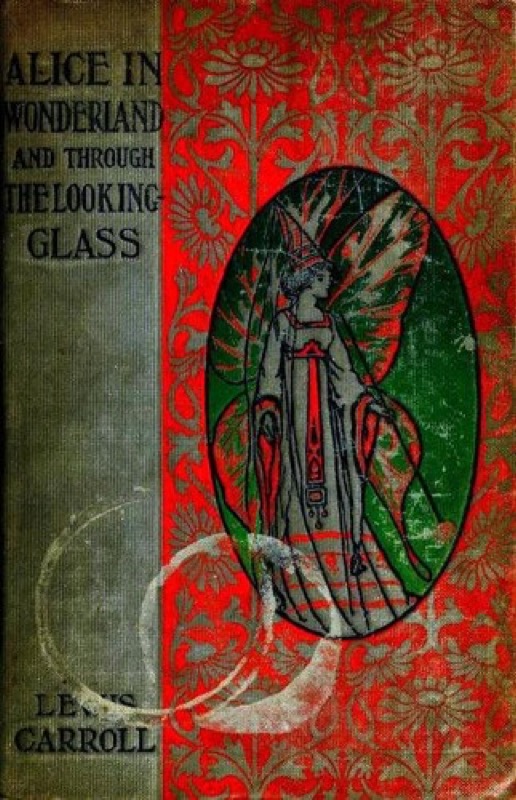
Alice’s Adventures in Wonderland / Through the Looking-Glass
Hook & thesis
Lewis Carroll’s “Alice’s Adventures in Wonderland” and its sequel, “Through the Looking-Glass,” serve as whimsical explorations of identity, logic, and the absurdity of the adult world from a child’s perspective. Verdict: The true engine of these narratives is the unsettling conflict between innocence and the nonsensical realities of life, inviting readers to question their perceptions of reality.
The contextual pivot
Positioned within the realms of juvenile fiction and fantasy, Carroll’s works bridge the gap between children’s literature and philosophical thought. This genre is characterized by its imaginative landscapes and moral undertones, yet Carroll subverts typical narratives by introducing a dreamlike, almost surreal quality that challenges the reader’s understanding of time and logic. This echoes the works of contemporaries like Edward Lear and the later contributions of authors such as J.M. Barrie, yet Carroll’s unique blend of whimsy and critique offers a distinct experience that resonates with both children and adult audiences alike.
Deep-dive critique
The narrative structure of both books is paramount to their thematic exploration. Carroll employs a non-linear timeline, allowing Alice to navigate a series of illogical scenarios that mirror the chaotic nature of growing up. This structure enhances the sense of disorientation that is central to Alice’s journey, effectively immersing the reader in her bewilderment. The use of playful language, combined with clever wordplay, contributes to the books’ charm, though at times, it may alienate readers seeking a more straightforward narrative. Characterization is another strength; figures like the Cheshire Cat and the Mad Hatter serve not only as whimsical entities but also as vehicles for philosophical inquiry, each presenting a unique aspect of adult absurdity. However, the endings, particularly in “Looking-Glass,” may feel abrupt or unearned, as they leave the reader suspended in ambiguity rather than closure.
Discussion launchpad
The surrealism in Carroll’s texts invites a plethora of interpretations, which can polarize readers regarding the effectiveness of his thematic intent.
Questions for the room:
- How does Carroll’s use of absurdity reflect societal norms of his time?
- In what ways do the characters embody different aspects of adulthood, and are they sympathetic figures?
- Do the endings of both books satisfy or frustrate the journey Alice undertakes?
- How does the whimsical nature of the prose affect the book’s deeper philosophical themes?
- Can these stories be fully appreciated by adults, or are they primarily for a younger audience?
#LitClass #Grade11 #RequiredReading #classic #fantasy