
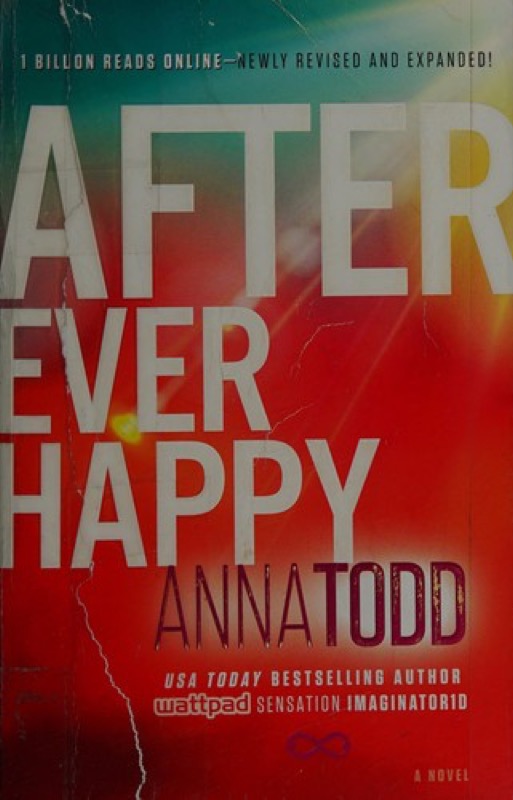
After Ever Happy (After, #4)
After series
Hook & thesis
In Anna Todd’s After Ever Happy, the tumultuous, often dark journey of love is explored through the lens of flawed characters entangled in emotional wounds and desire. Verdict: This installment serves as an intricate examination of love’s capacity to heal and to hurt, ultimately revealing that true happiness is often found in the ashes of personal conflict.
The contextual pivot
Situated firmly within the new adult genre, After Ever Happy bridges the niche of dark romance and broader themes of emotional resilience. Todd’s storytelling echoes the intense, often chaotic relationships reminiscent of authors like Colleen Hoover and Tarryn Fisher, yet she carves her own pathway by delving deep into the protagonists’ psychological landscapes. The invisible audience here is likely skewed towards younger adults grappling with their own love lives, yet Todd’s exploration of trauma and redemption resonates universally, inviting readers beyond the typical confines of the enemies-to-lovers trope.
Deep-dive critique
Crafted with a compelling emotional intensity, Todd’s narrative structure deftly oscillates between the present turmoil and the characters’ pasts, enhancing the stakes of their present decisions. The first-person dual POV allows an intimate glimpse into the psyche of both protagonists, creating a rich tapestry of emotional conflict and yearning. However, this choice can also lead to a repetitive internal monologue that sometimes dilutes tension rather than amplifying it.
The prose, while accessible, frequently leans into cliché, particularly in dialogues that aim to convey passion but often fall flat due to their predictability. Yet, where Todd excels is in her portrayal of emotional abuse—an uncomfortable yet real aspect of many relationships. The rawness of these moments invites readers to engage with the darker facets of love, prompting questions about what one is willing to endure in the name of romance.
World-building is anchored in a contemporary setting that feels relatable, yet it occasionally lacks the layered richness that could elevate the narrative further. As for the ending, it presents a bittersweet resolution that feels both earned and necessary, encapsulating the idea that love is not merely a sanctuary but also a battleground.
Discussion launchpad
This book raises provocative questions around love, responsibility, and the boundaries we set in relationships. The tension between forgiveness and self-preservation is palpable, and readers may find themselves divided on the protagonists’ choices.
- Questions for the room:
- Do you believe that love can truly heal past traumas, or does it simply mask them?
- How do we reconcile our desires with our need for self-preservation in toxic relationships?
- In what ways do you think the portrayal of emotional abuse shapes our understanding of romance in literature?
- Are Todd’s characters relatable, or do they perpetuate harmful stereotypes in the romance genre?
- How does the dual POV structure enhance or detract from the story’s emotional depth?
#TheOrchidRoom #enemiestolovers #darkromance #newadult #emotionalabuse