
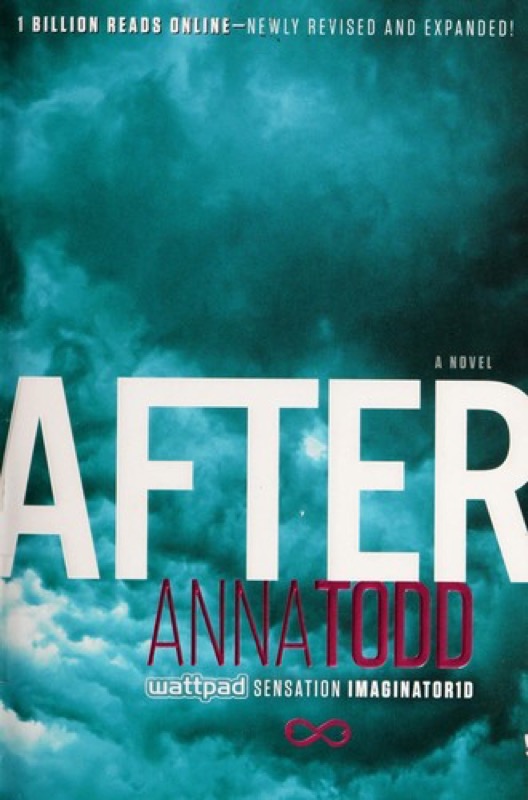
After (After, #1)
After series
Hook & thesis
In Anna Todd’s After, the tumultuous dance of desire and animosity propels two opposing forces — Tessa and Hardin — into a world where love emerges from the wreckage of emotional turmoil. Verdict: This book serves as both a gripping exploration of toxic relationships and a cautionary tale about the allure of love entwined with pain.
The contextual pivot
After occupies a unique niche within the new adult and dark romance genres, characterized by its unapologetic depiction of an enemies-to-lovers arc that is steeped in conflict and emotional complexity. Unlike typical romantic narratives, Todd’s work echoes the themes found in the works of authors like Colleen Hoover or Jamie McGuire, yet it dives deeper into the shadows, confronting emotional abuse and the cyclical nature of toxic love. The invisible audience is a mix of young adults navigating their own turbulent relationships and older readers seeking validation of their past experiences, making this book a bridge between niche tropes and mainstream appeal.
Deep-dive critique
The narrative is structured around a dual perspective that oscillates between Tessa’s innocence and Hardin’s brooding intensity, effectively mirroring the push-and-pull of their relationship. This structure serves the thesis by allowing readers to experience the highs and lows of both characters intimately, yet it occasionally falters in pacing; moments of tension can drag, diminishing the urgency of their connection. Todd’s prose is peppered with raw emotion, capturing the electric chemistry that simmers beneath the surface, but it can also veer into melodrama, particularly in dialogue that sometimes feels forced or overly dramatic.
Character development is both a strength and a weakness; while Hardin’s brooding complexity draws readers in, Tessa’s growth can feel stunted, caught in the web of Hardin’s emotional volatility. This dynamic reflects the thematic tension between love and pain, yet leaves the reader questioning whether Tessa’s arc truly earns her eventual choices. The ending, a cliffhanger that leaves their fate unresolved, is earned in the sense of establishing ongoing conflict but may frustrate readers seeking closure after such a tumultuous journey.
Discussion launchpad
After presents a rich tapestry of polarities that could ignite discussion:
- The romanticization of toxic relationships — does it offer a cautionary tale or glorify unhealthy dynamics?
- The duality of Tessa and Hardin as a reflection of personal growth vs. emotional stagnation.
- The impact of genre conventions on reader expectation — does it meet or subvert them?
Questions for the room:
- Do you think the depiction of emotional abuse in the novel serves as a warning or a validation of such relationships?
- How do you perceive the balance between passion and toxicity in Tessa and Hardin’s relationship?
- In what ways does the dual perspective enhance or detract from the overall narrative experience?
- Can we separate the allure of Hardin’s character from the harmful behaviors he exhibits?
- What implications does the cliffhanger ending have for our understanding of their relationship?
#TheOrchidRoom #enemiestolovers #darkromance #college romance #love-hate relationship