
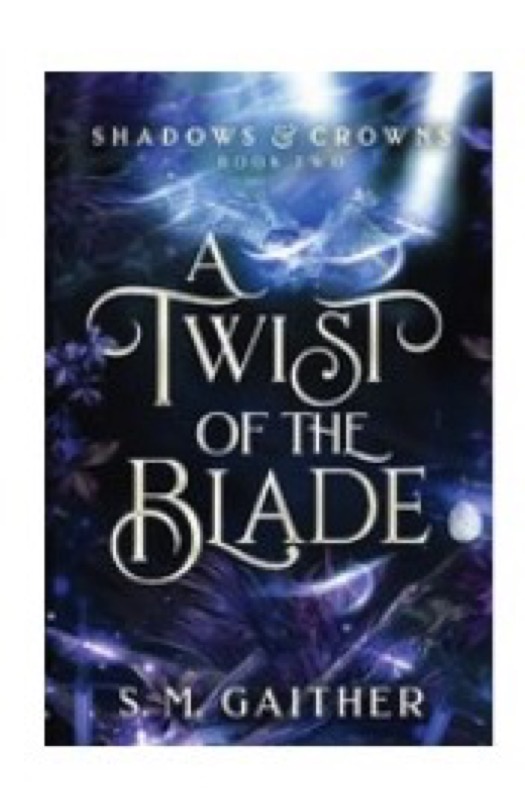
A Twist of the Blade
Shadows & Crowns — Book Two
Hook & thesis
In A Twist of the Blade, S. M. Gaither delves deep into the murky waters of ambition, obsession, and the price of power within a fantastical realm. Verdict: This novel is a compelling exploration of the human heart’s darker corners, where desire fuels conflict and ultimately leads to self-destruction.
The contextual pivot
As the second installment in the Shadows & Crowns series, this book navigates the familiar tropes of fantasy-romance, yet it boldly defies expectations with its gothic undertones and intricate character studies. Gaither’s work aligns with authors like Sarah J. Maas and Jennifer L. Armentrout, who intertwine romance with high stakes and dark magic. However, Gaither’s narrative voice leans more heavily into the psychological, making it a potential bridge for readers who typically shy away from standard fantasy fare, inviting them to consider themes of moral ambiguity and the complexities of desire.
Deep-dive critique
The structure of A Twist of the Blade masterfully intertwines multiple points of view, enhancing the tension between characters and their conflicting motivations. Gaither employs a non-linear timeline that allows for the slow unearthing of characters’ pasts and secrets, heightening the sense of impending doom that permeates the narrative. The prose is lush and evocative, with imagery that not only paints vivid scenes but also reflects the inner turmoil of the characters, particularly through the protagonist’s obsession with power and love intertwined.
Character development is where Gaither shines; each figure is rendered with psychological depth that makes their desires and decisions resonate. While some may argue that certain characters could be more nuanced, the intensity of their motivations—with obsession as a driving force—compensates for any lack of subtlety. Dialogue serves as a tool for revealing both vulnerability and manipulation, crafting exchanges that are as sharp as the titular blade itself.
However, the pacing does falter at times, with the latter part of the book feeling rushed as it builds towards a climax that, while emotionally charged, may leave some readers wanting more resolution. The ending, though impactful, feels both earned and yet open-ended, prompting reflections on whether the characters have truly paid the price for their choices or if their journeys merely lead to further entanglements.
Discussion launchpad
This novel stirs a mixture of admiration and critique, particularly regarding its handling of themes like obsession and moral complexity within romantic entanglements. Readers may find themselves divided on the portrayal of these themes and their implications.
Questions for the room:
- How effectively does the portrayal of obsession enhance or detract from the romantic elements?
- Does the non-linear structure serve the narrative’s thematic ambitions, or does it dilute character arcs?
- In what ways does the resolution (or lack thereof) impact your overall impression of the characters’ journeys?
- How does Gaither’s approach to dark magic and royal intrigue compare to other works in the genre?
- What messages do you think this book conveys about the nature of power and desire?
#TheOrchidRoom #fantasyromance #darkromance #shadowsandcrowns #literaryanalysis