
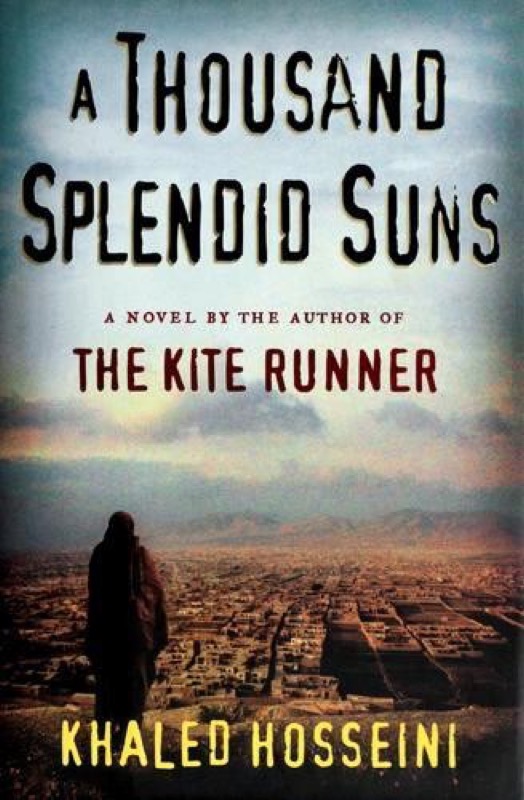
A Thousand Splendid Suns
Hook & thesis
Khaled Hosseini’s A Thousand Splendid Suns weaves a poignant tale of resilience and sisterhood against the backdrop of Afghanistan’s tumultuous history. Verdict: This novel powerfully unravels the complexities of female friendship amidst adversity, ultimately highlighting the enduring strength of women in a patriarchal society.
The contextual pivot
This novel stands as a significant entry in the genre of contemporary literary fiction, exploring themes of domestic abuse, war, and cultural conflict. Unlike Hosseini’s earlier work, The Kite Runner, which primarily focuses on male relationships and guilt, this narrative shifts its lens to the experiences of women, particularly through the intertwined lives of Mariam and Laila. This work bridges niche tropes of ‘women’s literature’ with broader themes of survival and resilience, aiming to resonate with both general readers and those familiar with the cultural intricacies of Afghanistan.
Deep-dive critique
Hosseini employs a dual narrative structure that effectively enhances the emotional stakes and thematic depth of the novel. The alternating perspectives of Mariam and Laila provide insight into their contrasting backgrounds and the societal forces shaping their lives. This structure serves to build tension and empathy, as readers witness their individual struggles culminating in a shared bond. The pacing, however, occasionally falters; certain passages linger too long on exposition, which can disrupt the narrative flow.
The prose is richly evocative, painting a vivid picture of Afghanistan’s landscape and culture, yet it is the character development that truly shines. Mariam’s evolution from a marginalized daughter to a fierce protector is compelling, underscoring the theme of empowerment. The dialogue, while often poignant, sometimes veers into melodrama, particularly in moments of conflict. However, the emotional weight of the characters’ experiences is undeniably gripping, making their suffering palpable.
The resolution is hard-fought and earned; the ending encapsulates the themes of sacrifice and hope, leaving readers with a sense of bittersweet closure. Yet, it raises questions about the broader societal changes necessary for true liberation, hinting at the ongoing struggles faced by women in similar contexts.
Discussion launchpad
Hosseini’s work invites reflection on the intersection of personal and political struggles, provoking debate on the representation of women in literature and the complexities of cultural narratives.
Questions for the room:
- How does the portrayal of female relationships challenge or reinforce traditional gender roles?
- In what ways does the setting of Afghanistan enhance or detract from the characters’ journeys?
- Does the ending offer a hopeful perspective or merely a reflection of ongoing cycles of violence?
- How effectively does the novel balance personal trauma with broader societal issues?
- What responsibilities do authors have when depicting cultures different from their own?
#LiteraryAnalysis #darkthriller #friendship #sisterhood #culturalconflict