
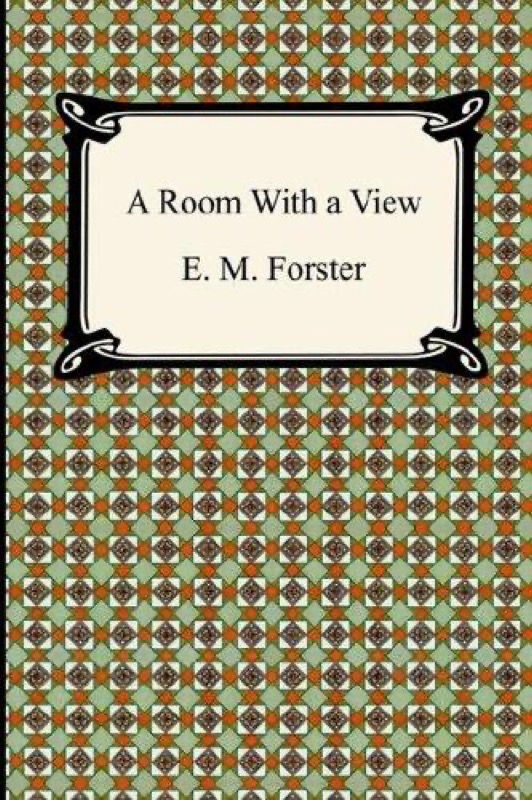
A Room with a View
Hook & thesis
E.M. Forster’s A Room with a View vibrates with the tension between societal expectation and personal desire, capturing the struggle of its protagonist to break free from the constraints of Edwardian propriety. Verdict: This novel artfully unearths the raw, often tumultuous conflict of the human heart, presenting love as both a liberating force and a potential source of despair.
The contextual pivot
Nestled within the gothic-horror-romance genre, Forster’s work weaves elements of social critique and psychological depth into a narrative that transcends mere romantic conventions. It stands alongside contemporaries like Henry James and Virginia Woolf, exploring similar themes of class differences and the suffocating weight of societal norms. Forster invites both niche readers drawn to the intricacies of Edwardian society and general audiences open to the exploration of love’s complexities, crafting a bridge that invites deeper reflection on the human condition.
Deep-dive critique
Forster’s narrative structure employs a shifting point of view that deftly navigates between the inner lives of characters, a choice that amplifies the emotional stakes and highlights the contrasts in their desires. The pacing ebbs and flows, mirroring Lucy Honeychurch’s tumultuous journey from repression to self-actualization. Forster’s prose, rich yet precise, encapsulates the dichotomy of lofty ideals against the backdrop of harsh realities, as seen in lines that juxtapose romantic landscapes with stark societal judgments.
Characterization stands out, particularly in Lucy, whose awakening is rendered with exquisite subtlety. Her dialogues resonate with both innocence and burgeoning defiance, while secondary characters, like the insipid Cecil, serve as foils that exacerbate the tension between societal expectation and personal fulfillment. However, Forster occasionally stumbles with pacing, particularly in the latter half, where the resolution seems rushed, leaving some thematic elements feeling underexplored.
The ending, while fulfilling in its embrace of personal freedom, raises questions about the price of such liberation. Is love a sanctuary, or merely another set of constraints? Forster’s exploration of these questions serves as a powerful thematic anchor, yet the rapid conclusion may leave readers yearning for a deeper examination of the consequences of Lucy’s choices.
Discussion launchpad
The novel’s rich tapestry invites debate on the nuances of societal constraints versus personal freedom, particularly in its portrayal of gender roles and class dynamics.
Questions for the room:
- How does Forster’s depiction of Edwardian society reflect contemporary issues regarding class and gender?
- In what ways does the character of Lucy Honeychurch challenge or conform to the expectations of her time?
- What role does setting play in shaping the characters’ decisions and desires?
- Can love truly exist free of social influences, or is it always intertwined with societal expectations?
- How do you interpret the ending in relation to Lucy’s character development?
#TheOrchidRoom #gothic #horrorromance #classdifferences #romantictension