
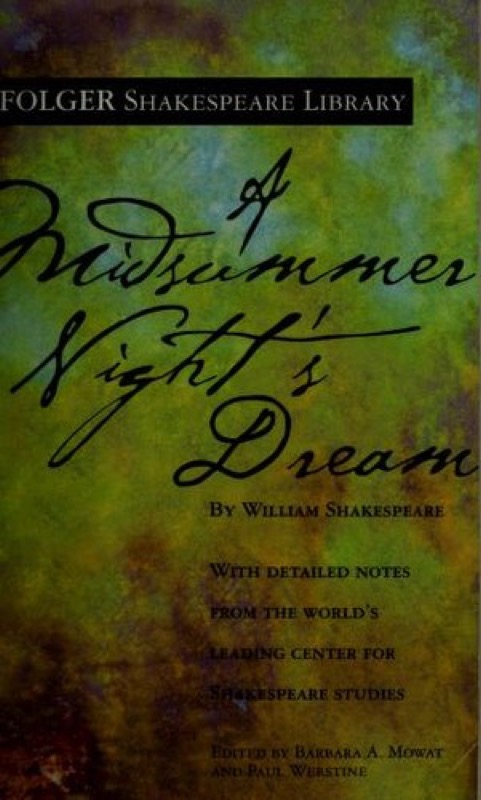
A Midsummer Night’s Dream
A whimsical tale of love and magic in a forest of dreams.
Hook & thesis
William Shakespeare’s A Midsummer Night’s Dream deftly intertwines the complexities of love, identity, and illusion within a comedic framework. Verdict: This play is a masterful exploration of the chaotic nature of love, showcasing how desire can distort perception and reality.
The contextual pivot
- A Midsummer Night’s Dream* occupies a unique space within Shakespeare’s oeuvre, blending elements of romance and fantasy with comedic undertones. This play is distinguished by its intricate layering of plots and characters, typical of Shakespearean comedies, while also drawing on the folklore of the supernatural to create an ethereal atmosphere. The invisible audience for this work spans both lovers of classic literature and those seeking an accessible entry point into Shakespeare’s world, allowing it to bridge niche tropes of Elizabethan theater with broader contemporary themes of love and identity.
Deep-dive critique
Shakespeare’s use of structure in A Midsummer Night’s Dream serves to enhance the overarching theme of love’s irrationality. The interweaving of multiple storylines—most notably the lovers, the fairies, and the mechanicals—creates a rich tapestry that reflects the chaos of romantic entanglements. The play’s pacing alternates between fast-paced comedic scenes and more reflective moments, allowing audiences to absorb the unfolding madness. Furthermore, Shakespeare’s clever use of soliloquies provides insight into the characters’ inner conflicts, particularly evident in Helena’s desperate pursuit of Demetrius.
The dialogue is both witty and poignant, showcasing Shakespeare’s mastery in capturing the essence of human emotion. However, one could argue that the resolution, while joyous, may feel somewhat contrived, as the hasty reconciliations of the lovers suggest a lack of depth in their character development. Yet, this aligns with the playful tone of the play, ultimately underscoring the ephemeral nature of love.
Discussion launchpad
Despite its comedic veneer, A Midsummer Night’s Dream raises significant questions about the nature of love and identity, thereby polarizing reader interpretations.
Questions for the room:
- Does the play romanticize the chaos of love, or does it warn against its irrationality?
- How effectively does the supernatural element enhance or detract from the human experience of love?
- In what ways do the characters’ transformations reflect societal views on love and marriage during Shakespeare’s time?
- Are the resolutions of the conflicts in the play satisfying or overly simplistic?
#LitClass #Grade11 #RequiredReading #classic #romance #comedy