
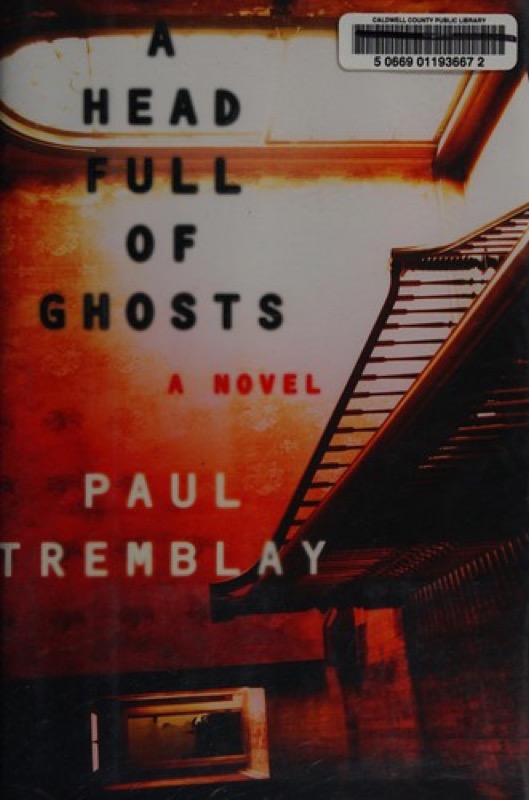
A Head Full of Ghosts
Hook & thesis
In A Head Full of Ghosts, Paul Tremblay masterfully intertwines the threads of psychological horror and familial disintegration, examining how the specter of mental illness can warp the bonds of love. Verdict: This book is a chilling exploration of the thin line between reality and delusion, where the haunting question of what is real becomes as terrifying as the supernatural itself.
The contextual pivot
Nestled within the gothic-horror-romance genre, Tremblay’s work stands as a critical reflection on both the tropes of exorcism narratives and the more profound implications of mental illness. The author’s unique use of a dual narrative—one that merges the perspectives of a present-day memoirist and a retrospective account of her childhood—creates a complex tapestry that challenges the reader’s perception of truth. Compared to the likes of Shirley Jackson and Stephen King, Tremblay crafts a visceral experience, targeting not just horror enthusiasts but also a more general audience intrigued by psychological depth and the fragility of family dynamics. It bridges niche tropes to the general reader by grounding the supernatural elements in relatable, human experiences of trauma and fear.
Deep-dive critique
Tremblay’s structural choices are pivotal to the book’s effectiveness. The alternating timelines not only build suspense but also suggest a cyclical nature of trauma and recovery, echoing the book’s themes of mental illness and familial relationships. Each chapter is meticulously crafted, with tight pacing that accelerates the tension toward the climax. The choice of a first-person narrative interspersed with a fictionalized television show creates a meta-commentary on the nature of storytelling itself, blurring the lines between reality and performance.
Characterization shines, particularly in the portrayal of the protagonist, Marjorie, whose descent into perceived madness is both haunting and empathetic. Tremblay’s dialogue is sharp, often laced with a tension that reveals deeper familial fractures. However, some may argue that the resolution, while thematically resonant, leaves certain narrative threads tantalizingly unresolved, which could frustrate readers seeking closure. Yet, this ambiguity serves to reinforce the book’s meditation on the uncertain nature of truth and belief.
Discussion launchpad
The polarities in A Head Full of Ghosts invite intense debate. Does the intertwining of supernatural elements with mental illness glorify or stigmatize the struggles surrounding mental health? What is the charge of using a horror framework to dissect familial trauma, and can it be seen as a form of catharsis or exploitation?
Questions for the room:
- How does the portrayal of mental illness in this narrative compare to traditional horror tropes?
- In what ways does the dual narrative structure enhance or detract from the emotional impact of the story?
- Does the ending feel earned, or does it leave too many questions unanswered?
- How do you interpret the role of media representation within the story?
- What are the implications of framing trauma and horror in a familial context?
#TheOrchidRoom #gothic #psychologicalhorror #familydynamics #darkheartlabs