
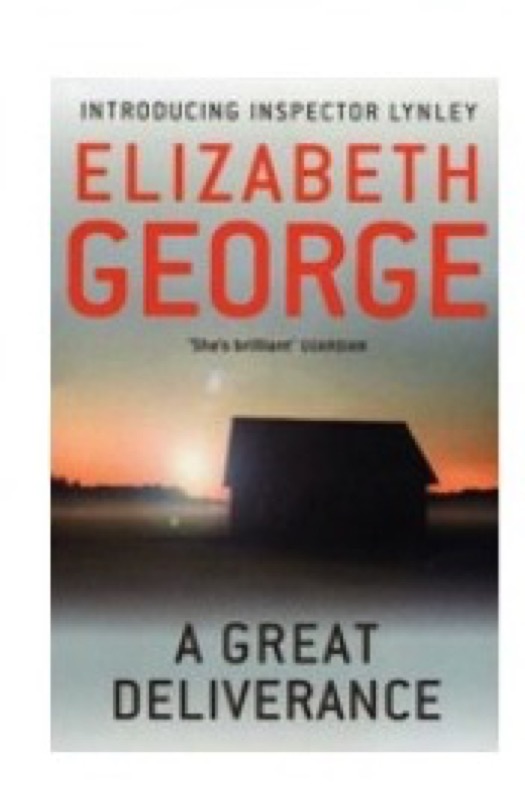
A Great Deliverance
Introducing Inspector Lynley
Hook & thesis
In A Great Deliverance, Elizabeth George crafts a gripping dark-thriller that delves into the shadows of human nature, as Inspector Lynley navigates a world steeped in murder and grief. Verdict: This novel, while initially engaging with its intricate plot, ultimately falters under the weight of melodrama, leaving the reader questioning the authenticity of its emotional core.
The contextual pivot
Set against the backdrop of a murder investigation, George’s work occupies a unique space in the genre landscape, bridging the gap between classic detective fiction and modern psychological thrillers. The narrative resonates with fans of authors like Ruth Rendell or P.D. James, yet it also attempts to draw in a broader audience with its exploration of darker, more intimate themes like grief and redemption. George’s introduction of Inspector Lynley is a pivotal moment, positioning him not just as a detective, but as a complex character grappling with personal loss. This duality invites both niche genre enthusiasts and general readers into a world where the lines of morality blur dangerously.
Deep-dive critique
George’s narrative excels in characterization, particularly in the depiction of Lynley’s internal struggles, which serve as a mirror to the external chaos of the murder investigation. The pacing, however, often stumbles, with sections that linger too long on background details that detract from the central tension. The use of multiple perspectives is a double-edged sword; while it enriches the narrative, it also dilutes the urgency of the primary storyline. The prose is evocative, but at times veers into the territory of overwrought, particularly during moments of emotional revelation, where the dialogue feels more like a device than genuine interaction.
The thematic exploration of grief is poignant but at times heavy-handed; the resolution, while satisfying in its reveal, feels manufactured, as if the emotional stakes were sacrificed for the sake of plot resolution. The inclusion of violence, both physical and emotional, is pervasive, contributing to the dark atmosphere but also risking alienation of readers who may find the depictions unsettling. Ultimately, while the craft possesses moments of brilliance, the structure undermines the potential for a truly haunting narrative.
Discussion launchpad
The polarities in A Great Deliverance revolve around the balance of plot versus character depth. Does the emotional landscape enrich the mystery, or does it distract from it? Can a character’s internal journey justify a less-than-satisfying plot resolution?
Questions for the room:
- How do you interpret the balance between Lynley’s personal grief and the murder investigation?
- In what ways do you feel the pacing affected your engagement with the story?
- Do you believe the resolution was earned, or did it feel like a narrative convenience?
- How does George’s portrayal of violence impact your reading experience?
- Is the emotional depth presented in the book a strength or a weakness?
#LiteraryAnalysis #GothicEdge #darkthriller #romanticsuspense #TheOrchidRoom