
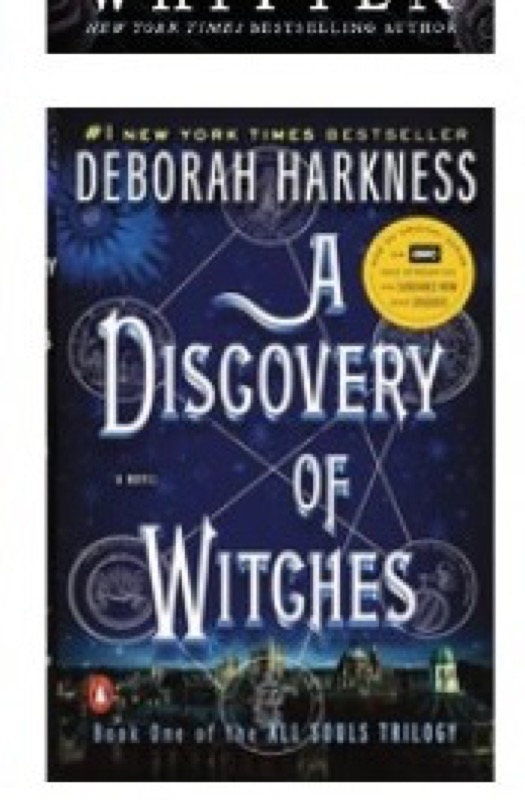
A Discovery of Witches
Hook & thesis
In A Discovery of Witches, Deborah Harkness intertwines the realms of history, magic, and romantic entanglement to explore the complexities of identity and inheritance. Verdict: This novel thrives on its rich tapestry of academic ambition and supernatural allure, engaging readers in a gothic romance that is as intellectually stimulating as it is passionately charged.
The contextual pivot
Nestled within the vampire-paranormal genre, Harkness’s work stands as a compelling bridge between niche supernatural tropes and mainstream literary fiction. The author’s background as a historian informs the narrative, creating a sophisticated layer of academic intrigue that elevates it beyond typical genre boundaries. Unlike many of her contemporaries, Harkness does not merely rehash vampire lore; instead, she crafts a narrative that invites both avid fans of the genre and literary enthusiasts into her world, making her invisible audience an eclectic mix of scholars and romantics alike.
Deep-dive critique
Harkness’s use of structure plays a pivotal role in the novel’s effectiveness. The dual timelines and varied points of view enrich the reader’s understanding of the characters’ motivations while maintaining narrative tension. By weaving in elements of historical scholarship, the pacing becomes a dance, oscillating between fervent moments of desire and contemplative exploration of themes such as lineage and legacy. The prose is lush and evocative, offering rich descriptions that evoke a visceral response, particularly in scenes that delve into the darker aspects of supernatural existence. However, while the dialogue often crackles with intensity, at times it veers toward the melodramatic, which may alienate some readers seeking a more grounded experience. The climax, while thrilling, can feel overly reliant on genre conventions, leading to a resolution that, although satisfying, may leave some yearning for a deeper challenge.
Discussion launchpad
Harkness’s narrative is steeped in polarities that can invigorate discussion: the tension between rationality and magic, the struggle for identity within the constraints of heritage, and the fine line between love and obsession. Questions for the room:
- How do you perceive the balance between historical context and romantic plot in the narrative?
- In what ways does the duality of the characters’ lives—both mundane and magical—reflect real-world issues of identity?
- Does the reliance on genre tropes enhance or detract from the story’s overall impact?
- How does the treatment of blood and supernatural horror contribute to the themes of desire and power?
- What does the resolution say about the nature of love in a world filled with both magical and mundane challenges?
#TheOrchidRoom #vampire #paranormal #darkromance #literaryanalysis