
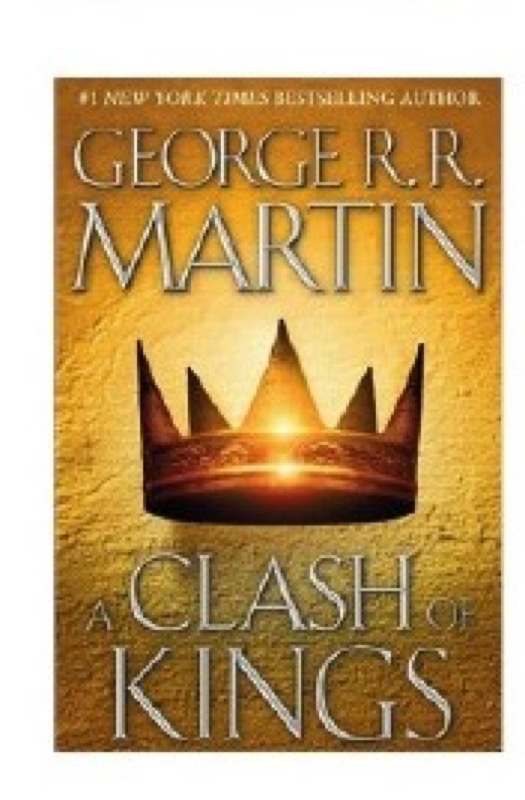
A Clash of Kings
Hook & thesis
In George R.R. Martin’s A Clash of Kings, the true engine of the narrative lies in its exploration of power dynamics and the often corrosive nature of desire. Verdict: This sequel not only deepens the brutal stakes of its predecessor but also reveals the fragility of alliances forged in the fires of ambition and lust.
The contextual pivot
As the second installment in Martin’s sprawling A Song of Ice and Fire series, A Clash of Kings continues to traverse the treacherous terrain of high fantasy, enriched by intricate political intrigue and human emotion. Within the genre landscape, it stands as a masterclass in blending romance’s heat with the gothic undertones of medieval conflict. Martin’s work often appeals to a niche audience that relishes dark romanticism, thereby creating a bridge to more general readers who are drawn in by the epic scale and complex characters. Here, familiar tropes of love and betrayal are woven into a tapestry that challenges the boundaries of loyalty and morality.
Deep-dive critique
Martin’s structural choices significantly enhance the thematic depth of A Clash of Kings, utilizing multiple points of view to present a rich, multifaceted narrative. Each chapter shifts perspective, immersing the reader in the personal stakes of key players while maintaining a sense of the larger conflict. This technique not only serves the pacing, creating tension as readers hop between plotting factions, but also emphasizes the fragmented nature of truth in a world rife with deception.
The prose itself is both lyrical and brutal, a cocktail that mirrors the emotional intensity of the content. Martin excels in crafting dialogue that feels both authentic and laden with subtext, often revealing characters’ true motivations beneath a veneer of civility. Notably, the world-building is immersive, with vivid descriptions that evoke a sense of foreboding; the stormy landscapes and crumbling castles underscore the characters’ internal turmoil. However, the sheer volume of characters might overwhelm some readers, leading to moments where emotional resonance is diluted amidst the chaos.
As for the ending, it is both earned and brutal, leaving readers grappling with loss and betrayal, while simultaneously setting the stage for the next tumultuous chapter. The narrative’s unresolved tensions resonate long after the final page, compelling readers to reflect on the moral ambiguities of the characters’ choices.
Discussion launchpad
The interplay of power, desire, and betrayal in A Clash of Kings raises essential questions about the nature of love in a world driven by ambition and conflict. How do personal relationships survive in such a volatile landscape? What does Martin’s portrayal of romance say about the human condition amid chaos?
Questions for the room:
- How does Martin’s portrayal of romance differ from traditional fantasy narratives?
- In what ways do the political alliances mirror personal relationships in the story?
- Do you find the multiple perspectives enriching or disorienting? Why?
- How effectively does the book balance emotional intensity with the overarching plot?
- What themes resonate most with you regarding the nature of desire and power?
#TheOrchidRoom #fantasyromance #darkromance #literaryanalysis #aClashOfKings