
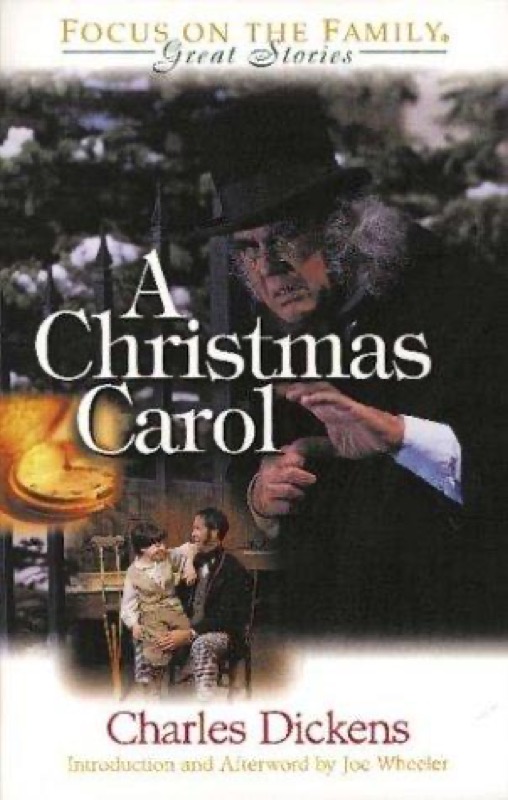
A Christmas Carol
Hook & thesis
Charles Dickens’ A Christmas Carol is an exploration of the haunting nature of regret and the transformative power of compassion. Verdict: This novella is not merely a Christmas tale; it is a gothic examination of the shadows within our souls and the potential for redemption that flickers dimly even in the darkest of winters.
The contextual pivot
Positioned within the realm of gothic horror romance, A Christmas Carol deftly intertwines elements of supernatural dread with the warmth of human connection. Dickens, known for his vivid characterizations and moralistic storytelling, crafts a narrative that bridges niche gothic tropes with the broader appeal of holiday cheer. The ghostly apparitions that visit Ebenezer Scrooge serve not only as harbingers of fear but also as catalysts for profound personal change, making this work resonate with audiences both familiar with gothic literature and those seeking heartfelt redemption narratives.
Deep-dive critique
The structure of A Christmas Carol is tightly paced, unfolding over a single transformative night in Scrooge’s life. This temporal compression amplifies the urgency of his journey from isolation to connection. Dickens employs a third-person omniscient point of view, allowing readers intimate access to Scrooge’s thoughts while simultaneously maintaining the eerie distance of the supernatural. This duality creates a tension that is palpable; the reader is both drawn into Scrooge’s fears and kept at bay by the chilling presence of his spectral visitors.
The prose is rich with imagery, particularly in the descriptions of the ghostly visitations. The Ghost of Christmas Past evokes nostalgia blended with sorrow, while the Ghost of Christmas Yet to Come brings an oppressive dread that is quintessentially gothic. Dickens’ character development is masterful; Scrooge’s transformation is not only believable but also deeply moving, showcasing the author’s understanding of the complexities of human nature. The dialogue, particularly in Scrooge’s interactions with his former partner Jacob Marley, crackles with tension, revealing both the weight of the past and the possibilities of redemption.
However, some might argue that the overt moralism of the novella can detract from its gothic elements, rendering it almost didactic. Additionally, the rapid resolution of Scrooge’s transformation may leave some readers feeling that the depth of his journey was not fully earned, as the final act resolves with a speed that belies the gravity of his earlier despair. Yet, it is perhaps this very tension between darkness and light that makes the novella enduringly compelling.
Discussion launchpad
The interplay between horror and redemption in A Christmas Carol invites both celebration and critique. While some may find the moral clarity refreshing, others could argue it simplifies the complexities of human nature.
Questions for the room:
- How does the balance of gothic elements and redemptive themes affect your reading experience?
- In what ways does Scrooge’s transformation challenge or reinforce societal views on compassion and responsibility?
- What role does the supernatural play in shaping Scrooge’s journey — does it enhance or detract from the narrative’s impact?
- Are there modern parallels to Scrooge’s character that resonate in today’s society?
- How do the ghosts serve as both harbingers of fear and agents of change — is there a danger in such a dual role?
#TheOrchidRoom #gothic #redemption #darkheartlabs #Christmas