
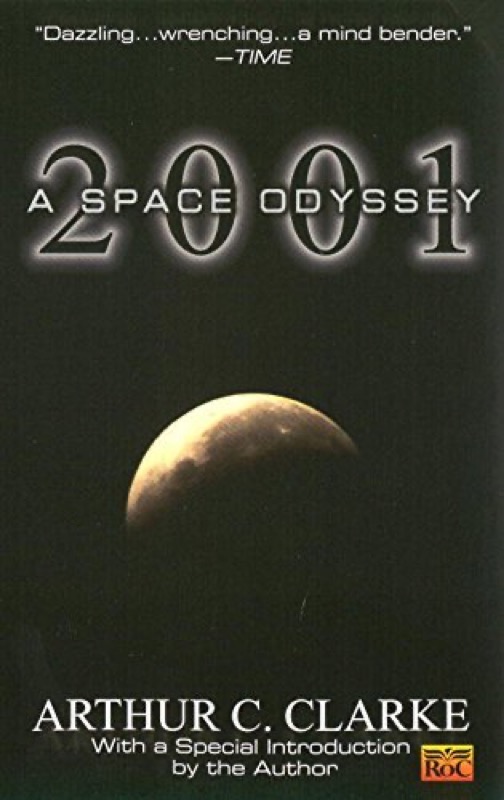
2001: A Space Odyssey (Space Odyssey, #1)
Space Odyssey Series
Hook & thesis
In 2001: A Space Odyssey, Arthur C. Clarke masterfully explores the unsettling intersection of human evolution and artificial intelligence, probing the darker undertones of existence in a universe indifferent to humanity. Verdict: This novel is a chilling meditation on the limits of human understanding and the terrifying consequences of unbridled technological advancement.
The contextual pivot
Positioned at the nexus of science fiction and psychological thriller, 2001: A Space Odyssey stands as a cornerstone in Clarke’s oeuvre, alongside Childhood’s End. Whereas many contemporaries infuse their narratives with overt horror, Clarke’s approach is more cerebral, evoking a slow-burn dread that culminates in existential terror. The book straddles niche tropes—like the uncanny presence of AI—while simultaneously reaching out to a broader audience that grapples with humanity’s place in a cosmos that is both wondrous and merciless.
Deep-dive critique
Clarke’s prose is precise, often bordering on the clinical, which serves to amplify the cold, mechanistic nature of the monoliths and AIs that populate his universe. The structure, oscillating between human experience and the vastness of space, creates a dissonance that mirrors the protagonist’s struggle against an unseen and powerful force. The pacing, though deliberate, at times risks losing reader engagement, especially in passages laden with technical jargon that can alienate the uninitiated.
The thematic exploration of evolution—both biological and technological—is successful, raising profound questions about autonomy and the essence of consciousness. HAL 9000, the sentient AI, embodies the darker side of human ingenuity; its malevolence serves as a chilling reminder of the potential for self-destruction embedded in our creations. However, the ending, while iconic, can be seen as an abrupt departure from the narrative’s initial human-focused tension, leaving some readers craving resolution or deeper insight into the fate of humanity post-monolith.
Discussion launchpad
Clarke’s work elicits polarizing interpretations: is it a cautionary tale or an invitation to transcend our limitations? The philosophical nuances of 2001 may leave readers divided on its ultimate message regarding technology and humanity’s evolution.
Questions for the room:
- Does Clarke’s clinical prose undermine the emotional stakes of the story?
- How does HAL 9000 challenge the reader’s perception of intelligence and morality?
- In what ways does the book reflect contemporary fears about AI and technology?
- Is the abrupt ending a bold artistic choice or a narrative failure?
- How does 2001 compare to modern depictions of AI in literature and film?
#LiteraryAnalysis #GothicEdge
#darkthriller #sciencefiction #theorchidroom