
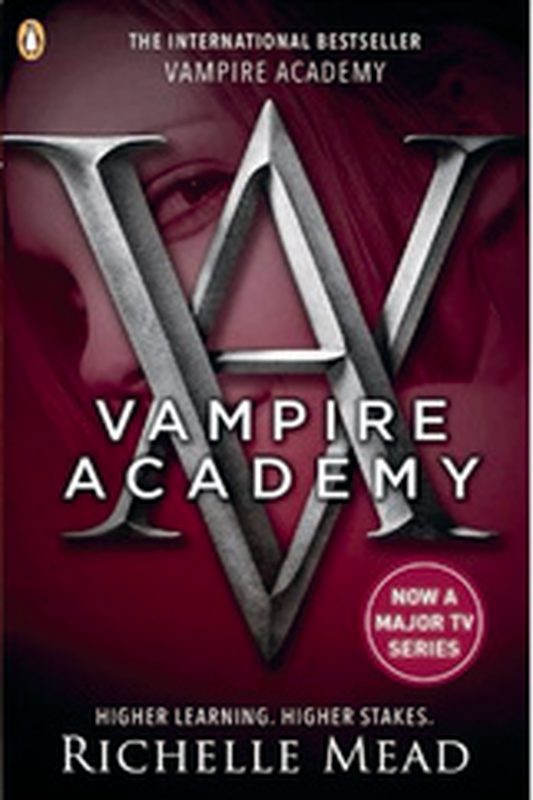
Vampire Academy
2014 · 104 min
2014 boarding-school vampires from Richelle Mead's series opener.
Hook & thesis
In 2014’s Vampire Academy, a loose adaptation of Richelle Mead’s series, the film’s true engine lies in its exploration of identity and belonging amidst supernatural chaos. Verdict: While it strives for a balance between humor and horror, it ultimately fails to capture the darker, more nuanced themes of its source material, rendering it a superficial romp through vampire clichés.
The contextual pivot
Mark Waters, known for his work on Mean Girls, attempts to infuse a sense of irreverence into the gothic landscape of Vampire Academy. This adaptation emerges in a cultural moment where supernatural narratives were saturated with humor and teen angst, aligning it with the likes of Twilight and The Mortal Instruments. Yet, its audience feels invisible; the fans of the original novels expected a deeper dive into the dark themes of betrayal and loyalty that pulse beneath the surface, left wanting by the film’s comedic skimming.
Deep-dive critique
The film’s cinematography lacks the atmospheric depth that the gothic genre demands. Rather than utilizing shadow and light to evoke tension, it opts for a brightly lit aesthetic that undermines the horror elements. Editing choices, particularly in pacing, disrupt the narrative flow, creating a disjointed viewing experience. The performances, while spirited, often hinge on caricature rather than character development, reducing complex figures into one-dimensional tropes. The score, attempting to meld contemporary pop with classical motifs, ultimately feels dissonant, failing to enhance the emotional stakes of pivotal scenes. The ending, though climactic, feels rushed, lacking the emotional weight and resonance that the source material cultivates through its character arcs.
Adaptation ledger
- Character development: The depth of Rose and Lissa’s bond is significantly diminished; their struggles with identity and loyalty are glossed over.
- Tone: The adaptation favors comedy over the darker, more intense themes of the novel, losing the essence of its gothic roots.
- Plot alterations: Key plot points, such as the complexity of the Strigoi threat and the moral dilemmas faced by the protagonists, are simplified or omitted.
- World-building: The rich lore of the vampire society is barely scratched, reducing the stakes of the narrative.
- Visual style: The vibrant, almost cartoonish color palette detracts from the horror elements, which could have been visually arresting.
Discussion launchpad
The film invites polarizing discussions on the fidelity of adaptations and the balance between maintaining source material integrity and appealing to contemporary audiences. It prompts questions about whether the comedic lens dilutes the gothic spirit of the narrative and whether that choice ultimately serves or betrays the story’s core essence. Questions for the room:
- Does the humor in Vampire Academy detract from its potential gothic themes?
- How should adaptations balance fidelity to source material with the need to attract new audiences?
- In what ways can humor coexist with horror in a narrative without undermining its darker elements?
- What adaptations have successfully maintained the tension between genre expectations and original themes?
- How does the shift in tone from page to screen affect character relationships and audience engagement?