
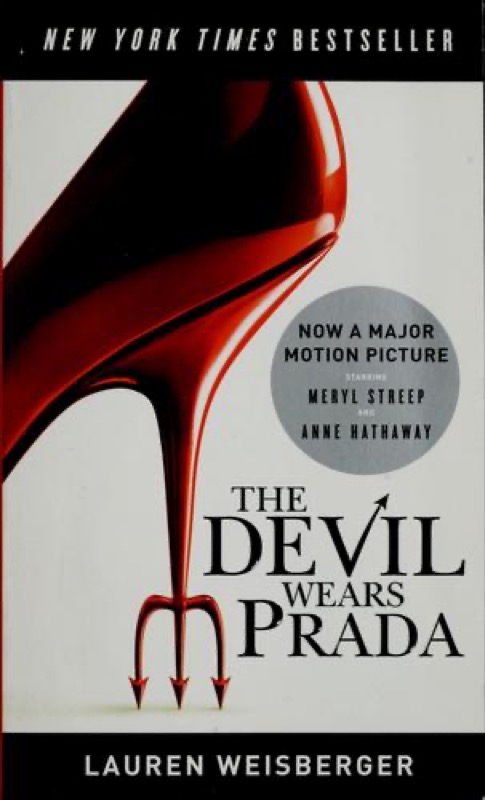
The Devil Wears Prada
2006 · 109 min
2006 fashion-industry power fable from Lauren Weisberger's novel.
Hook & thesis
In David Frankel’s adaptation of The Devil Wears Prada, the film’s primary objective is to explore the transformative journey of its protagonist within the ruthless fashion industry. Verdict: This cinematic retelling captures the essence of the source material while elevating the narrative through stellar performances and sharp wit.
The contextual pivot
Released in 2006, The Devil Wears Prada sits at the intersection of comedy and drama, offering a critical lens on the fashion world that resonates with contemporary themes of ambition and identity. Frankel, known for his keen eye for character-driven storytelling, successfully translates Lauren Weisberger’s exposé into a vibrant film that speaks to the millennial audience grappling with career pressures. The invisible audience, particularly young women navigating their own professional paths, finds both cautionary tales and empowerment woven throughout the narrative.
Deep-dive critique
The film excels through its striking cinematography, with bright, high-fashion visuals that contrast sharply with the drab personal life of the protagonist, Andrea Sachs (Anne Hathaway). The mise-en-scène is meticulously crafted, emphasizing the glamorous yet oppressive atmosphere of Runway magazine. Hathaway delivers a compelling performance that captures Andrea’s transformation from a naive hopeful to a savvy professional, while Meryl Streep’s portrayal of the icy Miranda Priestly is a masterclass in subtlety and power dynamics.
The editing maintains a brisk pace, mirroring Andrea’s spiraling descent into the cutthroat world around her, yet effectively allows moments of reflection amidst the chaos. The score, punctuated by both contemporary and classic tracks, enhances the emotional beats without overshadowing the narrative. However, while the film remains faithful to the source, the ending, though satisfying, feels somewhat sanitized compared to the book’s more complex resolution regarding personal sacrifice and professional ambition.
Adaptation ledger
- The character of Andrea is developed with more emotional depth in the film, showcasing her internal conflict more visually than in the book.
- Miranda Priestly’s backstory is hinted at through visual storytelling, but the book provides a more explicit exploration of her motivations.
- The film introduces a more comedic tone through Emily Blunt’s character, which lightens some of the darker themes present in the novel.
- Certain subplots, like Andrea’s relationship with her boyfriend, are streamlined for better pacing in the film format.
- The film’s ending resolves Andrea’s moral dilemmas in a way that leans towards closure, contrasting with the book’s more ambiguous conclusion about career choices.
Discussion launchpad
While both the book and the film offer incisive commentary on ambition and identity, the tonal differences and character explorations lead to differing interpretations of success and personal fulfillment. Questions for the room:
- How do the film’s comedic elements alter the tone of the original narrative?
- In what ways does the film’s resolution impact its themes of sacrifice and ambition compared to the book?
- Does the film’s portrayal of female relationships differ significantly from the novel’s depiction?