
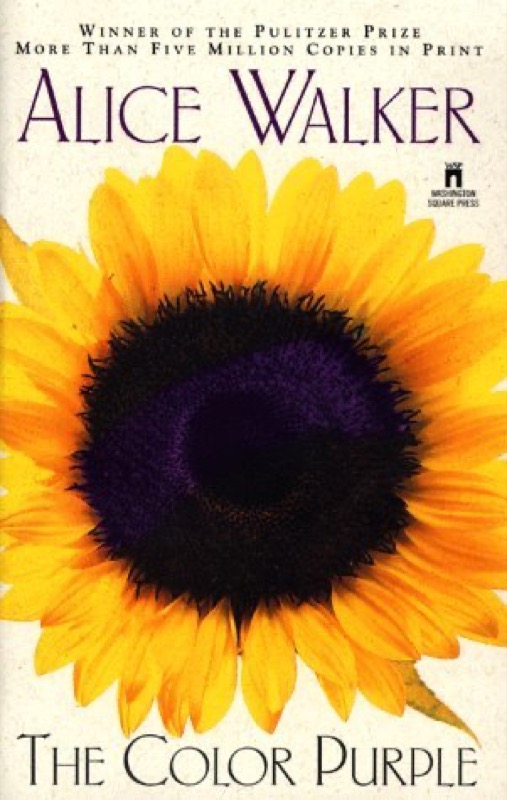
The Color Purple
1985 · 154 min
1985 Spielberg adaptation of Alice Walker's epistolary novel.
Hook & thesis
Steven Spielberg’s adaptation of Alice Walker’s novel The Color Purple is a compelling cinematic translation of an epistolary masterpiece that captures the intricate struggles of African American women in the early 20th century. Verdict: This film beautifully encapsulates the power of resilience and sisterhood through its vivid storytelling and heartfelt performances.
The contextual pivot
Released in 1985, The Color Purple sits at a significant juncture in both literary and film history, as it brings to life Walker’s poignant narrative about race, gender, and personal transformation. Spielberg, known for his ability to craft emotionally resonant stories, utilizes this adaptation to broaden the conversation around race and feminism in America, making it relevant for a wide audience while paying homage to the original text. The film’s visibility during the cultural discussions of the 1980s resonates with its invisible audience of those facing similar struggles, allowing for a rich exploration of identity and empowerment.
Deep-dive critique
The film excels in its cinematography, with lush visuals that emphasize the contrasting worlds of struggle and beauty within the characters’ lives. The performances, particularly by Whoopi Goldberg as Celie and Oprah Winfrey as Sofia, are deeply moving and convey the emotional weight of their characters’ journeys. Spielberg’s direction allows the pacing to ebb and flow, creating moments of tension interspersed with heartfelt interactions. The score, composed by Quincy Jones, enhances the narrative’s emotional depth, integrating African American musical traditions that resonate throughout the film. However, while the film remains faithful to much of the source material, it does simplify certain relationships and themes, which can detract from the novel’s nuanced exploration of trauma and resilience.
Adaptation ledger
- The film maintains Celie’s letters as a narrative device, preserving the epistolary form’s essence.
- Key characters and their arcs, such as Celie, Shug Avery, and Sofia, are faithfully portrayed, highlighting their growth.
- Some of Celie’s internal monologues from the novel are integrated into dialogue, which occasionally loses the depth of her introspective journey.
- The violence and trauma depicted are intense but somewhat toned down compared to the graphic nature of the book, likely to align with the PG-13 rating.
- Certain events are reordered for dramatic pacing, affecting the original sequence and emotional buildup present in the novel.
Discussion launchpad
The adaptation of The Color Purple opens up interesting discussions regarding fidelity to source material versus cinematic expression. While the film honors Walker’s themes, the simplification of complex relationships may raise questions about the emotional authenticity of its portrayal. Questions for the room:
- How does the film’s treatment of trauma compare to the novel’s approach?
- In what ways do the performances enhance or alter our understanding of the characters compared to the book?
- Should adaptations prioritize faithfulness to the source material or focus on cinematic storytelling?
- What elements of the book do you feel were most crucial to the story and were lost in the film?