
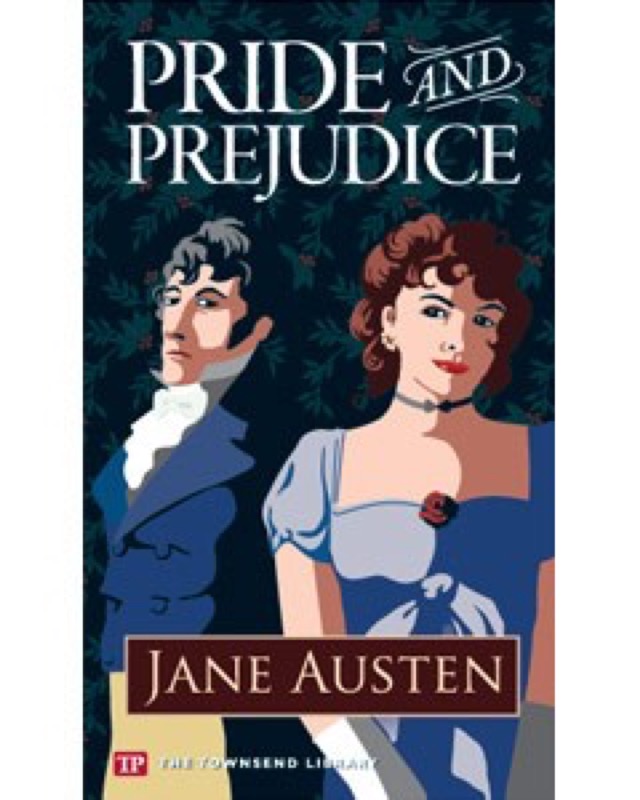
Pride & Prejudice
2005 · 129 min
2005 romantic adaptation of Jane Austen's classic.
Hook & thesis
Joe Wright’s 2005 adaptation of Pride & Prejudice seeks to distill the essence of Jane Austen’s wit and social commentary through a lush visual tapestry. Verdict: While it captures the spirit of the source material, its loose fidelity leaves the narrative’s deeper intellect unexamined.
The contextual pivot
Set against the backdrop of an ever-expanding landscape of Austen adaptations, Pride & Prejudice finds itself in a genre replete with romantic entanglements and societal critique. Wright, whose oeuvre includes Atonement and Anna Karenina, brings a keen eye for period detail and emotional nuance that elevates the film above typical romantic fare. Released in a time when period dramas were gaining renewed popularity, the film speaks to a modern audience yearning for both authenticity and escape, yet remains somewhat isolated in its portrayal of Elizabeth Bennet’s internal struggles, overlooking the subtleties that define her character in the original text.
Deep-dive critique
Visually, Pride & Prejudice excels with its sweeping cinematography, courtesy of Roman Osin, that captures the stunning English countryside and the opulence of the era. The mise-en-scène is rich, often reflecting the characters’ emotional landscapes — the grandeur of Pemberley juxtaposed with the modesty of the Bennet household serves as a commentary on class and aspiration. However, the film’s pacing falters at times, sacrificing the intricate dialogue that Austen is known for; scenes shift quickly, sometimes at the expense of character development.
Keira Knightley as Elizabeth is a vibrant choice, embodying both wit and vulnerability, although at moments her performance risks overshadowing the ensemble’s contributions, particularly Matthew Macfadyen’s understated yet charming portrayal of Mr. Darcy. The score by Dario Marianelli blends seamlessly with the film’s atmosphere, enhancing the romantic tension while occasionally lifting the emotional weight of pivotal moments. The ending, while visually striking, feels somewhat rushed and does not fully encapsulate the transformative journey of Elizabeth and Darcy as portrayed in the novel.
Adaptation ledger
- The character of Mr. Collins is less comical and more sympathetic, altering the viewer’s perception of social awkwardness.
- Elizabeth’s famed monologue regarding her refusal of Mr. Darcy’s first proposal is condensed, losing its critical examination of pride and prejudice.
- The film introduces a more physicality-driven romance, particularly in the iconic rain-soaked scene, which diverges from Austen’s subtlety.
- The Bingleys’ relationship with the Bennets is streamlined, altering the social dynamics and tensions present in the book.
- The film concludes with a visual flourish rather than an introspective dialogue, shifting focus from character growth to romantic resolution.
Discussion launchpad
The adaptation of Pride & Prejudice raises compelling questions about fidelity and interpretation in literature-to-film translation. Where do we draw the line between artistic license and narrative integrity? The film’s lush visuals and emotional resonance offer a fresh perspective, yet they also risk overshadowing Austen’s intricate character studies and social critiques. Questions for the room:
- How does the film’s visual style impact your understanding of Austen’s themes?
- What character interpretations in the film differ most from the book, and what is their significance?
- Do you believe the film’s pacing enhances or detracts from character development?
- How does the film’s ending compare to the novel’s resolution in terms of emotional depth?