
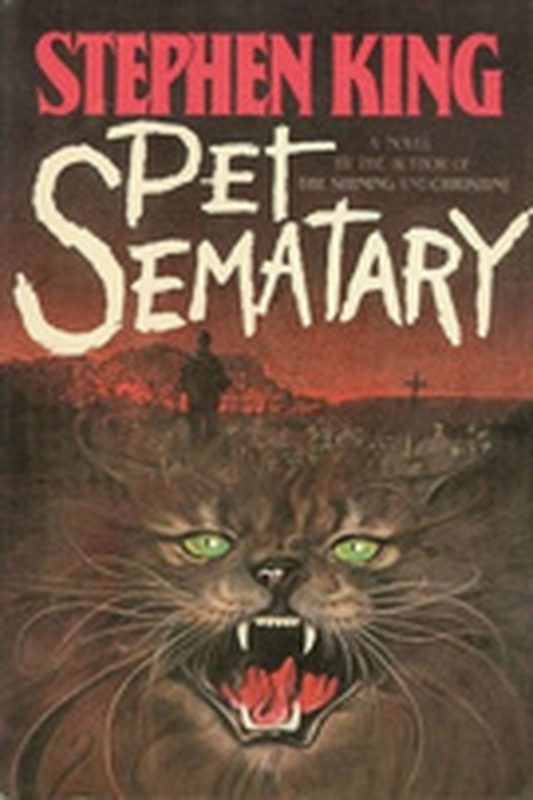
Pet Sematary
1989 · 103 min
1989 adaptation of King's burial-ground horror.
Hook & thesis
The film Pet Sematary (1989), directed by Mary Lambert, masterfully transforms Stephen King’s chilling tale of grief and resurrection into a haunting cinematic experience. Verdict: This adaptation succeeds as a powerful exploration of the boundaries of love and loss, despite its grisly elements.
The contextual pivot
In the realm of horror adaptations, Pet Sematary stands out for its fidelity to King’s source material, capturing the haunting essence of the novel while introducing visual storytelling techniques unique to film. Mary Lambert, known for her work in the horror genre, brings a distinct vision that resonates with the themes of familial love and the dire consequences of tampering with life and death. Released during a time when horror films were increasingly popular, this adaptation speaks to an audience grappling with the complexities of grief and the supernatural, particularly relevant in the late 1980s as societal concerns about mortality were prevalent.
Deep-dive critique
The film excels in its cinematography, utilizing shadow and light to evoke dread, particularly in the eerie cemetery scenes. The pacing effectively builds tension, allowing viewers to sense the impending doom as the story unfolds. Dale Midkiff’s compelling performance as Louis Creed captures the character’s inner turmoil beautifully, while Fred Gwynne’s portrayal of Jud Crandall adds a touch of warmth amidst the chilling narrative. The haunting score complements the visual style, enhancing the emotional weight of pivotal scenes, particularly those involving loss and sacrifice. However, some dialogue feels clunky, which occasionally detracts from the film’s overall immersive quality. The ending, while shocking, is earned within the film’s logic of grief and its consequences, making it resonate deeply with audiences.
Adaptation ledger
- The film retains the central plot of Louis Creed’s tragic encounter with death and resurrection, maintaining the emotional core.
- Key character relationships, particularly between Louis and his family, are preserved, emphasizing the themes of love and loss.
- Some scenes of violence and horror are heightened visually, creating a more visceral experience than the written word.
- The character of the neighbor, Jud, is given more backstory to enhance his role in the narrative.
- Minor characters are condensed or simplified, focusing on the primary emotional arcs of the Creed family.
Discussion launchpad
The contrast between King’s prose and Lambert’s visual storytelling raises several intriguing questions. While the film remains faithful to the narrative, it also introduces new elements that provoke thought about the nature of grief and the supernatural. Questions for the room:
- How does the film’s visual horror impact the emotional resonance of the story compared to the book?
- Do the changes made to character backstories enhance or detract from the original themes?
- What are the implications of adapting a horror story for film in terms of audience reception and emotional engagement?
- How effectively does the film explore the consequences of grief and loss compared to the source material?