
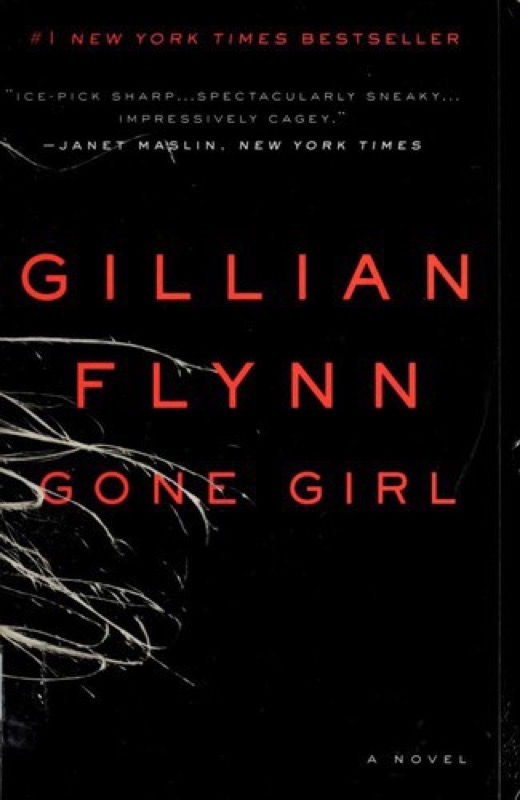
Gone Girl
2014 · 149 min
2014 Fincher adaptation of Gillian Flynn's marriage thriller.
Hook & thesis
In David Fincher’s adaptation of Gone Girl, the film’s true engine lies in the sinister exploration of deceit and the dark undercurrents of marriage. Verdict: Fincher brilliantly transforms Flynn’s narrative into a chilling meditation on identity and manipulation that leaves viewers questioning the very nature of truth.
The contextual pivot
Situated at the intersection of psychological thriller and societal commentary, Gone Girl reflects the zeitgeist of a world increasingly obsessed with media narratives and public perception. Fincher, known for his meticulous craftsmanship in films like Se7en and Fight Club, utilizes his dark aesthetic to enhance Gillian Flynn’s already unsettling source material. Released in a post-#MeToo landscape, the film resonates with an audience grappling with issues of gender dynamics and the darker facets of romantic relationships, appealing to both avid readers and filmgoers drawn to its gothic undertones.
Deep-dive critique
Fincher’s Gone Girl excels in its visual storytelling, employing a muted color palette that underscores the film’s dark themes and emotional desolation. The cinematography by Jeff Cronenweth captures the sterile suburban environment that becomes a backdrop for the disintegration of a marriage. The editing, marked by sharp cuts and a non-linear timeline, heightens the tension and mirrors the psychological unraveling of its characters.
Rosamund Pike’s performance as Amy Dunne is a tour de force, embodying the character’s complexity with chilling precision, oscillating between vulnerability and malevolence. In contrast, Ben Affleck’s portrayal of Nick Dunne serves as a haunting reflection of societal perceptions of masculinity and victimhood, though at times, his character feels overshadowed by Amy’s narrative dominance.
The score by Trent Reznor and Atticus Ross amplifies the film’s tension, weaving an unsettling soundscape that complements the narrative’s psychological depth. However, while the film remains largely faithful to the source material, some pacing issues arise in the second act, potentially alienating viewers unfamiliar with the book’s depth.
Adaptation ledger
- Character Depth: Amy’s internal monologue is largely visualized, losing some of the book’s introspective nuances but gaining a more immediate emotional impact.
- Timeline Structure: The film shifts between past and present more abruptly than the book, creating a disorienting effect that enhances the psychological tension.
- Ending Alteration: The film’s conclusion emphasizes the cyclical nature of manipulation while downplaying the book’s broader implications about societal expectations of marriage.
- Omission of Subplots: Several minor characters and subplots from the book are omitted to streamline the narrative, focusing on the core conflict between Amy and Nick.
- Media Commentary: The film amplifies media sensationalism surrounding the case, a theme that is more subtly woven into the book, thus heightening its cultural critique.
Discussion launchpad
The adaptation of Gone Girl sparks intense debate regarding fidelity to the source material and the thematic evolution of its characters. Critics may argue whether the film’s polished execution overshadows the depth of Flynn’s prose, or if it serves to amplify its gothic essence. Additionally, the film’s handling of gender dynamics raises questions about the portrayal of marriage and fidelity in contemporary society.
Questions for the room:
- Does the film’s visual style enhance or detract from the source material’s narrative depth?
- How does the portrayal of Amy Dunne reflect societal views on women and their agency?
- In what ways does the film’s ending reshape the audience’s understanding of love and manipulation?
- Can we view Nick Dunne as a victim, or is he complicit in his own downfall?