
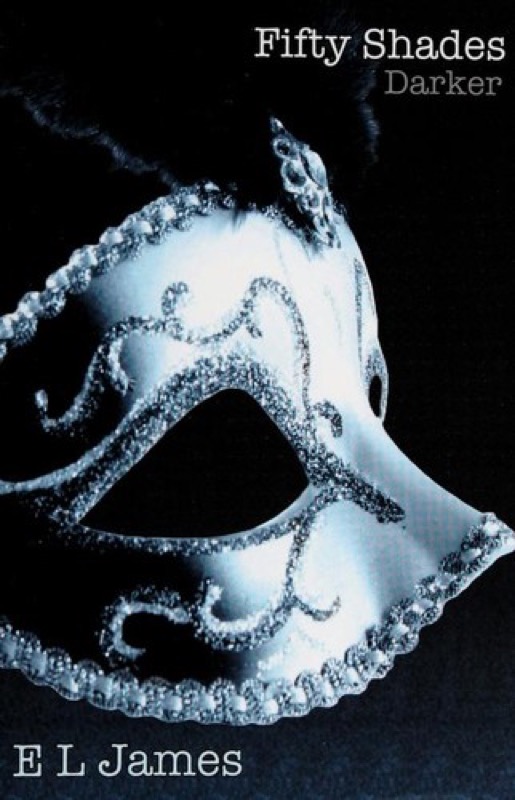
Fifty Shades Darker
2017 · 118 min
2017 sequel — ghosts of Grey's past surface.
Hook & thesis
James Foley’s Fifty Shades Darker ambitiously attempts to transform the often-maligned source material into a gothic-romance tapestry, yet it ultimately unravels under the weight of its own desires. Verdict: This adaptation, while visually lush, falters in its pursuit of emotional depth, leaving a stark divide between heat and heart.
The contextual pivot
Set within the erotic-drama genre, Fifty Shades Darker emerges as the second installment in a film series adapted from E.L. James’ bestselling novels. The adaptation landscape is densely populated with works that seek to evoke passion and taboo, but Foley’s approach navigates a delicate balance between romantic fantasy and gritty realism. Released in 2017, it aligns with a cultural moment that increasingly scrutinizes the narratives of consent and power dynamics, inviting an audience that grapples with the tension between fantasy and reality. The invisible audience here is one that seeks a reflection of their own desires — raw, unfiltered, and complex.
Deep-dive critique
From the opening frame, Fifty Shades Darker envelops the viewer in a world of chiaroscuro lighting reminiscent of gothic horror. The mise-en-scène, adorned with opulent set designs and moody shadows, immerses us in a seductive atmosphere that mirrors the characters’ tumultuous emotional landscapes. However, while the cinematography captures the lushness of desire, it struggles to convey the depth of emotional stakes.
The editing choices, particularly during pivotal intimate scenes, oscillate between lingering close-ups and rapid cuts, creating a dissonance that detracts from genuine connection. Dakota Johnson and Jamie Dornan’s performances oscillate between nuanced vulnerability and stilted delivery; the chemistry, while palpable, often feels overshadowed by the film’s structural pacing, which lingers too long on physicality at the expense of emotional development.
The score, heavy with sweeping strings and languid piano melodies, attempts to evoke a romantic tension but often veers into melodrama. It’s as if the film leans too heavily on the soundtrack to carry the emotional weight that the script fails to deliver. The fidelity to the source text is evident, yet this loyalty may be its downfall; the internal conflicts and character arcs that breathe life into the written word often fall flat when transposed to the screen.
Adaptation ledger
- Character Depth: Christian’s backstory is more vividly explored in the novel, while the film glosses over pivotal moments that would deepen the audience’s understanding of his psyche.
- Narrative Focus: The film shifts the focus from Ana’s internal monologue to external conflicts, diluting her character’s agency and emotional journey.
- Romantic Tension: Several intimate moments are condensed or reimagined, sacrificing emotional resonance for visual spectacle.
- Pacing Alterations: The timeline of their reconciliation is compressed, leading to a somewhat rushed climax that feels unearned relative to the gradual build-up in the book.
Discussion launchpad
The adaptation of Fifty Shades Darker invites divisive conversations about its fidelity to the source material versus its cinematic execution. The film’s reliance on visual seduction often overshadows the deeper thematic explorations present in the text, raising questions about the balance between heat and emotional authenticity.
Questions for the room:
- How does the film’s portrayal of consent align or clash with contemporary discussions around power dynamics in relationships?
- In what ways does the visual style enhance or hinder the emotional depth of the narrative?
- Are there moments in the book that you believe were misinterpreted or underexplored in the film?
- How effectively do you think the performances convey the complexity of the characters’ relationship?