
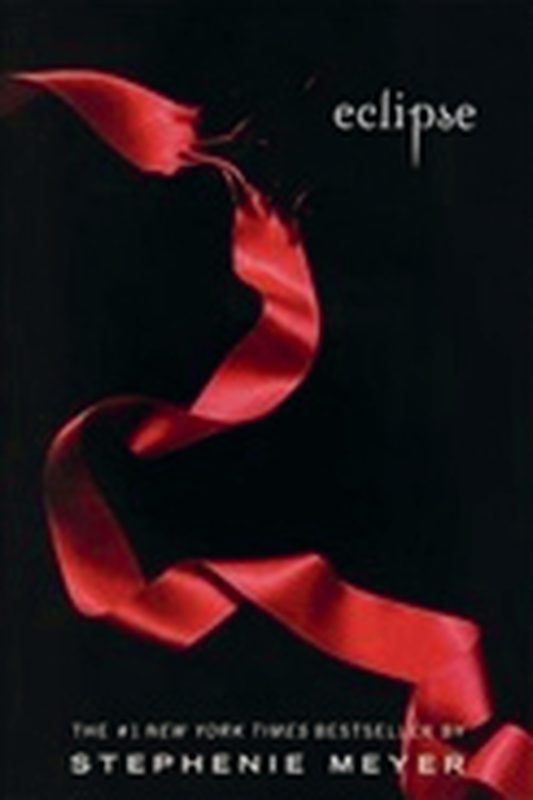
The Twilight Saga: Eclipse
2010 · 124 min
2010 third installment — army of newborn vampires.
Hook & thesis
Verdict: The Twilight Saga: Eclipse serves up a gothic tableau of desire and duty, but ultimately sinks beneath its own melodramatic weight, obscuring the potent themes of sacrifice and identity at its core.
The contextual pivot
Set against the backdrop of the supernatural romance genre, Eclipse emerges as the third entry in a franchise often criticized for its lack of depth, yet under director David Slade, it strives for a darker aesthetic. Slade, known for his work on Hard Candy, injects a sense of urgency and tension into the narrative, which reflects the cultural anxieties of the early 2010s—specifically, the fears surrounding the loss of agency in relationships and the consequences of choice. The invisible audience here is the young adult demographic grappling with the complexities of identity while navigating the treacherous waters of love and loyalty, a reflection of the tumultuous era of emerging adulthood.
Deep-dive critique
Visually, Eclipse excels with its moody cinematography that captures the eerie essence of the Pacific Northwest, drawing on shadows to evoke an atmosphere of foreboding. The use of chiaroscuro in key scenes amplifies the emotional stakes, particularly during the climactic battle against the newborn vampire army, where the stakes of love are juxtaposed with the harshness of survival. However, the pacing falters under the weight of a bloated runtime, which often leads to drawn-out dialogues that sap the urgency from pivotal moments.
Performances are a mixed bag; Kristen Stewart’s Bella resonates with a poignant vulnerability, while Robert Pattinson’s Edward oscillates between brooding and passive, often sidelined in his narrative arc. Taylor Lautner’s Jacob, however, emerges as the emotional fulcrum, embodying the conflict between love and friendship with a palpable intensity. The score, while atmospheric, occasionally veers into melodrama, overshadowing rather than enhancing the emotional beats. The film’s structure—interweaving flashbacks of past conflicts—serves to deepen the lore but risks alienating viewers unfamiliar with the source material, leaving significant gaps in character motivation.
Adaptation ledger
- Characterization of Victoria: In the film, Victoria (Bryce Dallas Howard) is portrayed with a more aggressive, vengeful persona, while the book hints at her deeper emotional motivations regarding revenge for her mate’s death.
- Bella’s Decision: The internal conflict Bella experiences regarding her choice between Edward and Jacob is more pronounced in the book, while the film simplifies this choice to a straightforward desire for Edward’s protection.
- Battle Sequence: The climactic battle with the newborns is significantly more action-oriented in the film, diverging from the book’s focus on character development and emotional stakes leading up to the confrontation.
- The Final Scene: The film’s conclusion presents a clearer resolution of Bella’s choice, while the book leaves more ambiguity regarding her true feelings, enhancing the thematic tension around her identity and agency.
Discussion launchpad
In comparing the book to its cinematic counterpart, polarities arise around character agency and thematic fidelity. The film’s emphasis on visual spectacle often overshadows the subtler emotional threads woven through the narrative, raising questions about the fidelity of adaptation in capturing the essence of the source material. While the adaptation retains key plot elements, it diverges in character depth and thematic exploration, leaving audiences to ponder the implications of such choices.
Questions for the room:
- Does the film’s portrayal of love as sacrifice align with your interpretation of the book?
- How does the adaptation’s emphasis on action influence our understanding of Bella’s character?
- In what ways does Eclipse succeed or fail to capture the gothic themes present in the source material?
- Are the changes to character arcs necessary for cinematic pacing, or do they undermine the original narrative?