
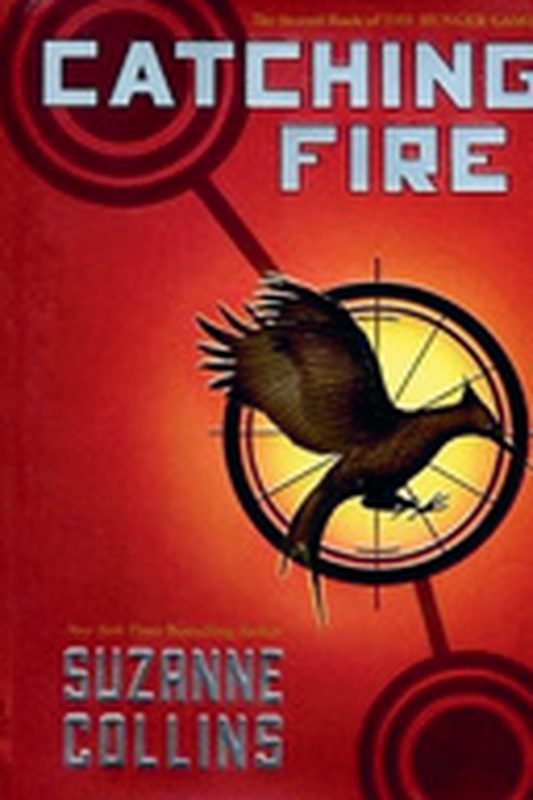
The Hunger Games: Catching Fire
2013 · 146 min
2013 second arena — the clock and the revolution.
Hook & thesis
In The Hunger Games: Catching Fire, the adaptation transforms a tale of survival into a darkly poetic critique of power and rebellion. Verdict: This film captures the haunting essence of its source material, transcending mere spectacle to unveil the grotesque dance of oppression and defiance.
The contextual pivot
Francis Lawrence’s direction solidifies his understanding of dystopian narratives, building on the foundation laid by Gary Ross in the original Hunger Games. The 2013 release lands amidst a cultural zeitgeist grappling with themes of authoritarianism and resistance, drawing an invisible audience of youth disillusioned by societal structures. Lawrence’s vision enhances the gothic undertones of Suzanne Collins’ novel, inviting viewers into a world where the arena is not merely a battleground, but a symbol of systemic decay.
Deep-dive critique
The film excels in its cinematography, with Jo Willems’ sweeping shots juxtaposing the stark beauty of Panem against the grim realities of its inhabitants. The editing—especially during the arena sequences—heightens tension, crafting a visceral experience that mirrors the characters’ psychological turmoil. Jennifer Lawrence delivers a haunting performance as Katniss, embodying her internal conflict with a raw intensity that resonates deeply. The score, composed by James Newton Howard, weaves a melancholic thread throughout, amplifying the film’s emotional gravitas, while sound design immerses the audience in the chaotic brutality of the Games. However, the pacing occasionally falters, especially in the lead-up to the climax, which risks losing momentum for viewers less familiar with the source material. The ending, though suspenseful, is earned through the careful buildup of themes around sacrifice and rebellion, resonating with both the book’s arc and the film’s own narrative logic.
Adaptation ledger
- Change in POV: The film expands Katniss’s internal struggle more visually, contrasting the book’s more intimate insights.
- Character development: President Snow’s character is given more screen time, enhancing the political stakes that underpin the narrative.
- Arena design: The arena’s clock mechanism is visually realized, adding layers to the concept of time and manipulation that the book hints at but does not fully explore.
- Omission of minor characters: Certain characters and subplots from the book are omitted, streamlining the narrative but losing some thematic richness regarding rebellion’s communal aspects.
- Visual symbolism: The film introduces striking visual metaphors, such as the Mockingjay pin, which gains a richer significance in the visual medium than in print.
Discussion launchpad
The cinematic adaptation of Catching Fire ignites fierce debates about fidelity, representation, and thematic depth. While the film remains largely true to its source, the transformations raise essential questions about the nature of adaptation and interpretation. Questions for the room:
- How does the visual representation of Katniss’s internal struggles compare to her portrayal in the novel?
- In what ways does the film’s focus on President Snow alter the political commentary present in the book?
- Are there elements that you feel were necessary to include or exclude to suit the cinematic format?
- Does the film’s pacing impact the audience’s engagement with its themes as effectively as the book?
- How do the gothic undertones enhance or complicate the narrative presented in the film compared to the novel?