
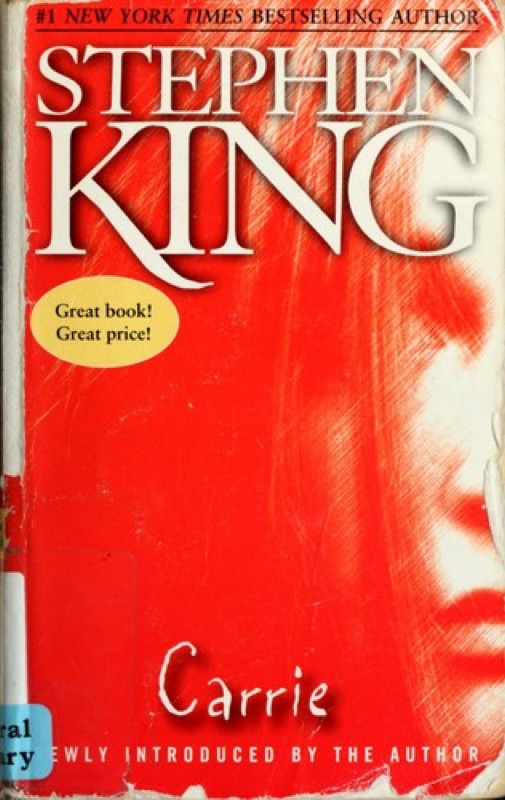
Carrie
1976 · 98 min
1976 De Palma adaptation of Stephen King's telekinetic horror.
Hook & thesis
The film Carrie, directed by Brian De Palma, serves as a striking adaptation of Stephen King’s novel, capturing the painful journey of a misunderstood girl with telekinetic powers. Verdict: The film powerfully illustrates the themes of isolation and vengeance, making it a haunting cinematic experience while remaining faithful to the source material.
The contextual pivot
Carrie occupies a notable place in the horror genre, establishing a blueprint for future adaptations of King’s work, particularly those that delve into the psychological aspects of fear. Released in 1976, it reflects societal anxieties surrounding adolescence and the consequences of bullying, positioning itself within a cultural moment that resonated with young audiences grappling with their own identities. De Palma’s unique directorial style—marked by inventive camera work and a flair for dramatic tension—enhances the narrative’s impact, appealing to both horror enthusiasts and a broader audience.
Deep-dive critique
The film excels in its visual storytelling, utilizing clever cinematography to emphasize Carrie’s internal struggles. De Palma’s decision to employ split-screen techniques and fluid camera movements captures both the chaos of high school life and the intimate moments of Carrie’s emotional turmoil. Sissy Spacek’s performance is a standout, bringing depth to Carrie’s character, while Piper Laurie’s portrayal of the fanatically religious mother adds layers of complexity. The haunting score by Pino Donaggio complements the film’s tension, enhancing suspense and dread throughout the narrative. The pacing maintains a sense of urgency, particularly as it builds to the iconic prom scene, where the film’s themes of revenge and tragic destiny coalesce.
Adaptation ledger
- Carrie’s telekinetic powers are visually represented through innovative special effects, enhancing the emotional weight of her struggle.
- The portrayal of Carrie’s mother, Margaret White, is intensified in the film, highlighting her oppressive nature more than in the novel.
- The prom scene differs slightly in its execution, focusing more on the catastrophic aftermath than the initial buildup.
- Key dialogues and scenes from the book are retained, ensuring the film’s fidelity to the source material while adding cinematic flourishes.
- The ending is altered just enough to amplify the horror, creating an unforgettable finale that diverges subtly from King’s original conclusion.
Discussion launchpad
The adaptation of Carrie raises questions about the balance between fidelity to the source material and the cinematic interpretation of horror. While the film captures the essence of King’s themes, its visual and emotional intensity may polarize opinions about the effectiveness of its changes. Questions for the room:
- How does De Palma’s stylistic approach affect the overall horror of the film?
- In what ways does the film enhance or diminish the emotional impact of the source material?
- Should adaptations prioritize fidelity to plot or emotional resonance?
- How do the performances in the film compare to the character developments in the book?